Languages
Ultimate Guide to Borehole Pumps: How to Choose, Source, and Maintain Deep Well Water Systems
Access to clean, reliable water is essential for residential, agricultural, and industrial applications. When ground surface water is insufficient or contaminated, tap into underground aquifers with a high-performance groundwater extraction system. Deehp, a leading borehole pumps factory and global exporter, manufactures state-of-the-art borehole pumps and motors designed for efficiency, durability, and maximum water delivery.
Whether you are looking for submersible borehole pumps , bulk sourcing options from borehole pumps suppliers, or seeking the best borehole pumps for deep wells, this comprehensive guide provides the technical knowledge and practical advice needed to make an informed decision.
GET A FREE QUOTE NOW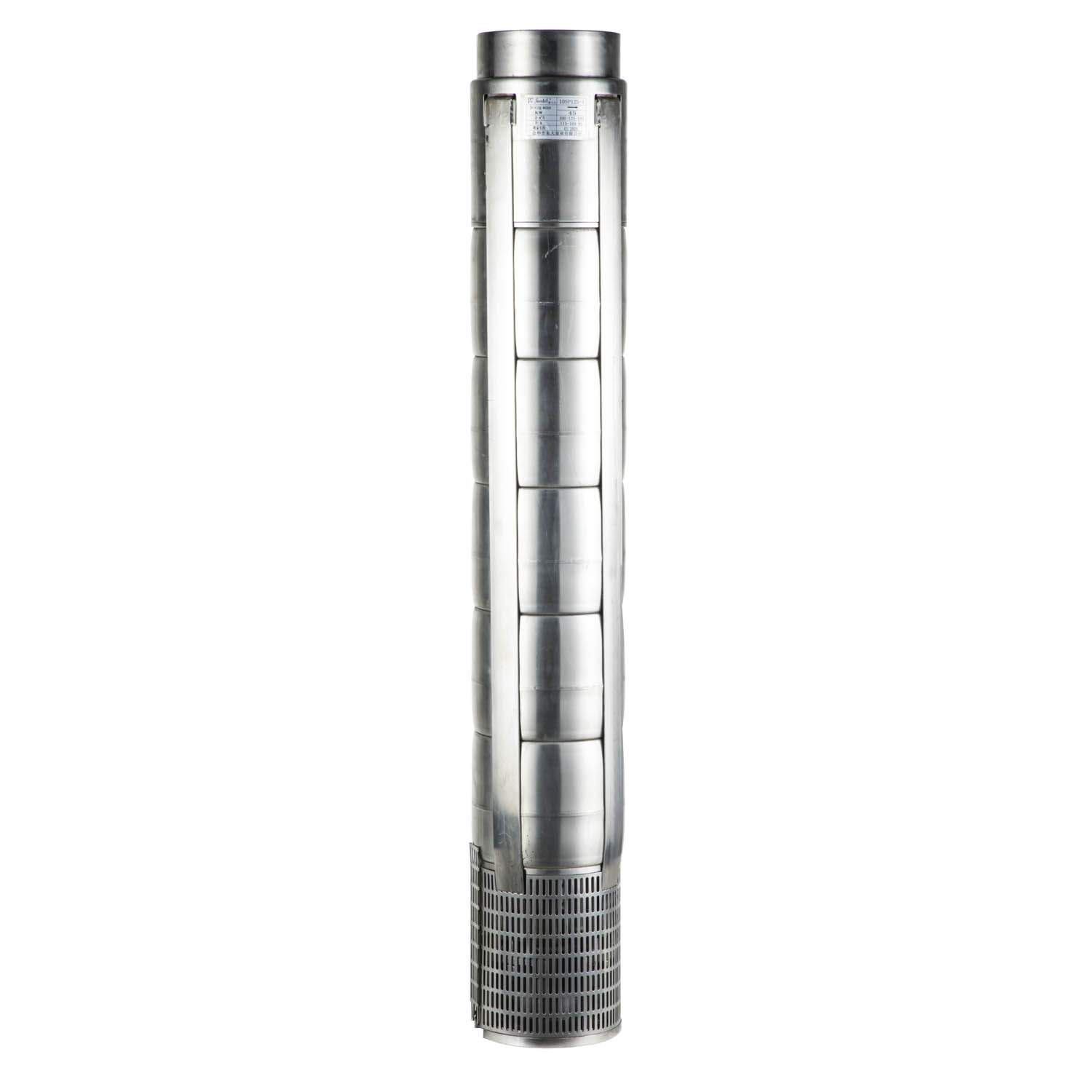
1. What Are Borehole Pumps?
When planning a groundwater system, the first question buyers ask is: what are borehole pumps?
A borehole pump (often referred to as a bore water pump or deep well pump) is a specialized mechanical pump designed to fit into narrow, drilled shafts—known as boreholes or drilled wells—to extract groundwater from underground aquifers.
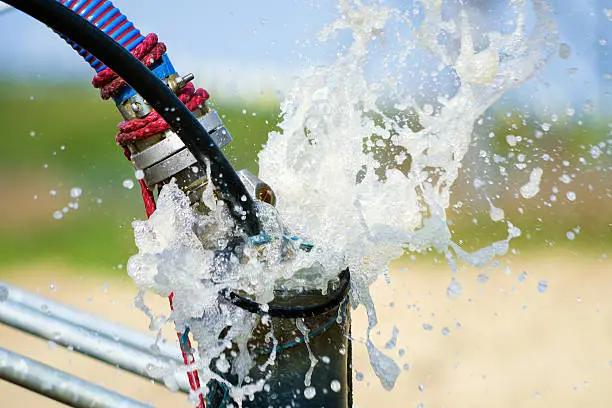
Unlike shallow jet pumps positioned on the surface that pull water using suction, submersible borehole pumps are submerged directly underwater inside the borehole casing. They push water upward through the pipe, enabling them to lift water from extreme depths (often exceeding 100 to 300 meters) with high pressure and energy efficiency.
2. Core Components: Borehole Pumps and Motors
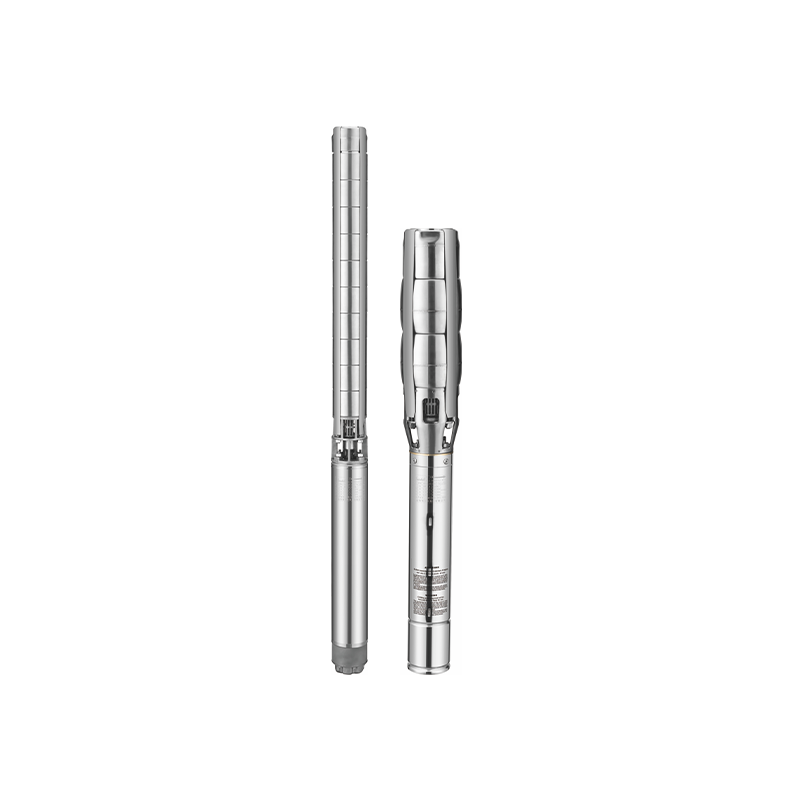
A complete pumping unit consists of two primary elements: the hydraulic pump end and the submerged electric motor. At Deehp, precision manufacturing ensures seamless integration between these two critical units.
-
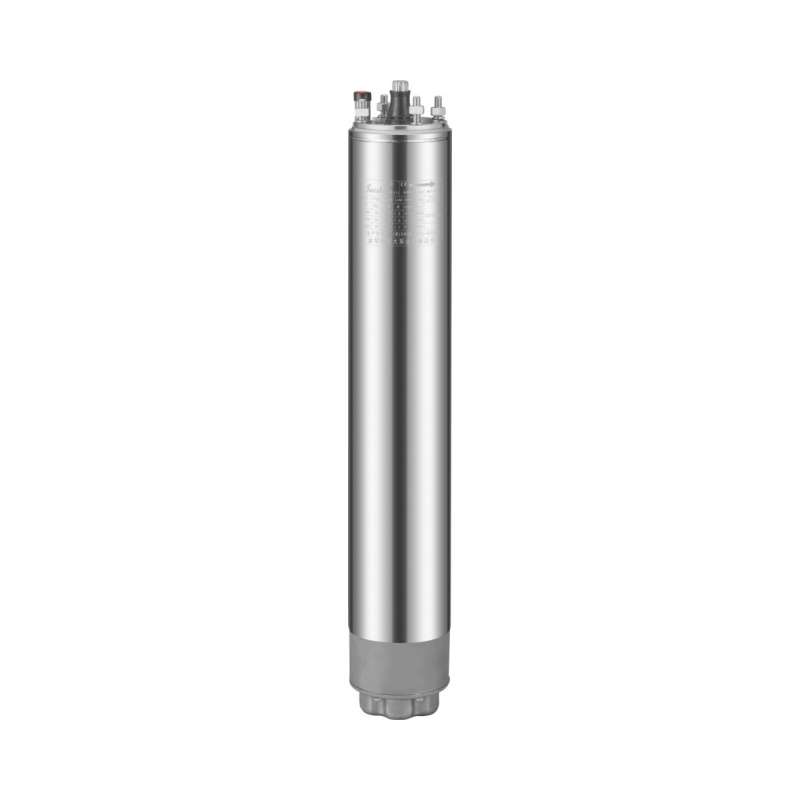
The Submersible Motor
The motor resides at the bottom of the pump assembly, keeping it continuously submerged to assist in thermal cooling during operation. Deehp utilizes oil-filled and water-filled canned motors with high-grade copper windings, stainless steel casings, and double-sealed mechanical thrust bearings to prevent liquid ingress and ensure long operational life.
-
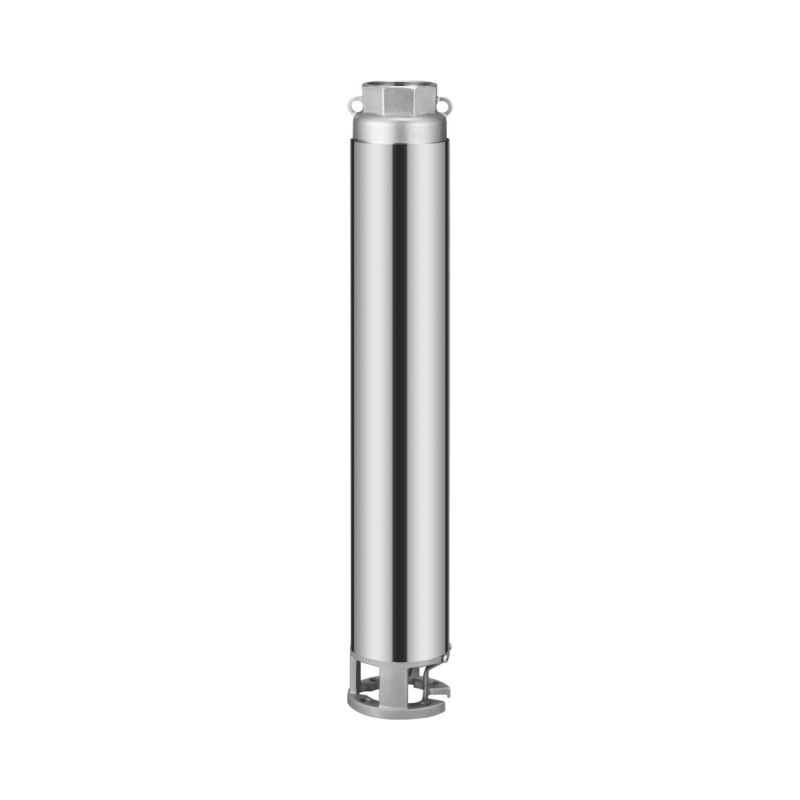
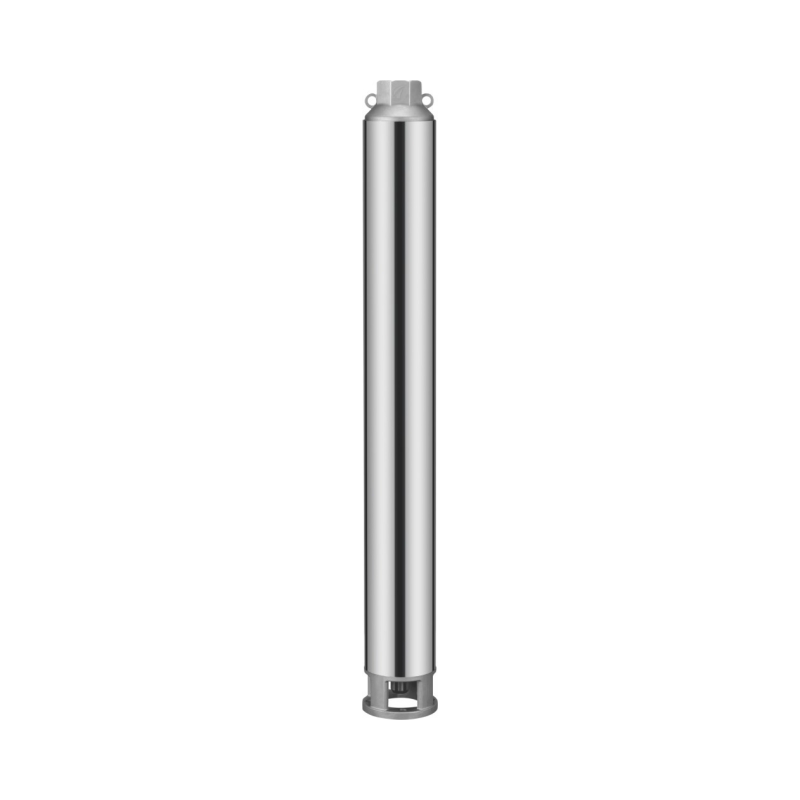
The Multi-Stage Hydraulic End
Because lifting water against gravity requires tremendous pressure, borehole pumps use multiple impellers stacked in series (multi-stage centrifugal design). Each impeller adds pressure to the water stream, pushing it smoothly up the riser pipe to the surface outlet.
-
3. Key Types of Bore Water Pumps
Selecting the right type of pump depends on well depth, required flow rates, power source availability, and water quality.
Pump Category Typical Well Diameter Max Depth / Head Best Suited For 3‑Inch Borehole Pumps 3 inches (75 mm) Up to 100 meters Small residential homes, gardens, low‑yield wells 4‑Inch Submersible Pumps 4 inches (100 mm) Up to 250 meters Standard domestic water supply, small farms 6‑Inch & 8‑Inch Industrial Pumps 6‑8+ inches (150‑200+ mm) 300+ meters Large‑scale agricultural irrigation, municipal water Solar Borehole Pumps 3 to 4 inches Varies by solar array Off‑grid locations, rural farms, eco‑friendly setups 4. How to Choose Borehole Pumps: Step-by-Step Buying Guide
Selecting the wrong pump can lead to motor burnout, dry running, or insufficient water pressure. Follow this systematic approach on how to choose borehole pumps:
-
Step 1: Measure Borehole Diameter
Ensure the outer diameter of the pump is smaller than the inner casing diameter of your well. For example, a 4-inch well casing requires a pump diameter under 3.75 inches.
-
Step 2: Determine Static Water Level and Yield Rate
· Static Water Level: The distance from the surface down to the water line when the pump is resting.
· Pumping Water Level (Drawdown): The level to which water drops when the pump is operating.
· Well Yield: The rate at which the well replenishes (in liters per minute or gallons per minute). Do not choose a pump with a capacity higher than the well's yield rate. -
Step 3: Calculate Total Dynamic Head (TDH)
TDH is the total pressure the pump must overcome to push water to its final destination:TDH = Vertical Elevation (Depth to Water + Height to Surface Tank)+ Friction Loss in Pipes+ Desired Surface Operating Pressure
-
Step 4: Determine Required Flow Rate (GPM / m^3/h)
Calculate peak hourly water demand based on households, livestock, or acreage to select the ideal cubic meter per hour (m^3/h) capacity.
-
5. Finding the Best Borehole Pumps for Deep Wells
Deep wells (exceeding 100 meters) pose unique engineering challenges: extreme water pressure, voltage drop over long cables, and high mechanical friction. The best borehole pumps for deep wells incorporate specific high-spec features:
-
· best borehole pumps for deep wells:
Resists sand wear and prevents clogging in abrasive deep-water environments.
-
· Stainless Steel Construction:
AISI 304 or 316 grade stainless steel housings and shafts offer superior corrosion protection against acidic or mineral-heavy water.
-
· Built-in Non-Return Check Valve:
Prevents backflow and water hammer, protecting the pump from sudden hydraulic shocks.
-
· Thermal Overload & Dry-Run Protection:
Sensors immediately shut off the pump motor if water levels drop below the intake, preventing pump burnout.
At Deehp, our deep well series pumps undergo rigorous 100% factory pressure and isolation testing to ensure uncompromised performance under extreme head depths.
-
· best borehole pumps for deep wells:
6. Deehp: Your Premier Supplier of Submersible Borehole Water Pumps
When sourcing high-volume water extraction equipment, working directly with a trusted supplier of submersible borehole water pumps ensures competitive pricing, OEM customization, and consistent quality control.
Why Choose Deehp as Your Wholesale Manufacturing Partner?
-
· Direct Factory Advantage:
As a dedicated borehole pumps factory, Deehp eliminates middleman markups, providing cost-effective solutions for contractors, distributors, and agricultural suppliers worldwide.
-
· Comprehensive Product Line:
From residential 3-inch models to high-volume commercial 8-inch series, Deehp supplies a complete selection of borehole pumps for sale.
-
· Strict Quality Certification:
Manufactured in ISO 9001:2015 certified facilities with CE and RoHS compliance.
-
· Customization & B2B Wholesale:
We support customized voltage/frequency configurations (220V/380V/440V, 50Hz/60Hz), custom branding, and bulk borehole pumps wholesale logistics worldwide.
-
· Direct Factory Advantage:
7. Installation and Maintenance Best Practices
To maximize the life of your borehole pump and motor, follow these operational recommendations:
-
· Install a Control Box & Motor Protection:
Always pair your single-phase or three-phase pump with an automated control box featuring voltage stabilization, over-current protection, and dry-run sensors.
-
· Use a Torque Arrester and Safety Rope:
Secure the pump assembly with a high-tensile stainless steel safety cable alongside the drop pipe to prevent mechanical strain.
-
· Submersion Depth:
Ensure the pump intake sits at least 2 to 3 meters below the lowest dynamic drawdown level, but keep it elevated at least 1 to 2 meters off the well bottom to avoid pulling up mud and sediment.
-
· Regular Testing:
Periodically monitor operating current (Amps) and insulation resistance to detect potential electrical wear before total failure occurs.
-
· Install a Control Box & Motor Protection:
8. Frequently Asked Questions (FAQs)
-
Q1: How long does a submersible borehole pump usually last?
With proper installation, water quality monitoring, and control protection, a high-quality pump from Deehp typically operates reliably for 8 to 15+ years.
-
Q2: What is the difference between a borehole pump and a standard surface pump?
A surface pump sits above ground and pulls water up using suction, which limits its practical depth to less than 8 meters. A submersible borehole pump is lowered directly into the deep well water and pushes water upward, operating efficiently at virtually unlimited depths.
-
Q3: Can a borehole pump run without water?
No. Submersible borehole pumps rely on surrounding groundwater for motor cooling and internal bearing lubrication. Running dry causes friction damage within seconds and quickly burns out the motor. Always install dry-run protection sensors.
-
Q4: How do I order borehole pumps wholesale from Deehp?
Contact the Deehp global B2B supply team directly through our official catalog channels to request product spec sheets, bulk price quotations, and custom OEM manufacturing terms.
-
Conclusion
Investing in high-performance borehole pumps guarantees reliable, independent access to groundwater for agriculture, industrial processes, and home supply. By understanding well depth requirements, calculating total head pressure, and partnering with an established manufacturer like Deehp, you ensure long-term, trouble-free water supply.
Looking for premium borehole pumps for sale or seeking an experienced borehole pumps supplier? Contact Deehp today to discover our complete product lineup and OEM wholesale solutions!