 Languages
Complete Guide to Borehole Motors & Submersible Borehole Pumps: How to Choose the Right Motor for Your Borewell | Deehp
Reliable groundwater access starts with the right equipment underground. Whether you are irrigating crops, supplying a home, or supporting industrial processes, the motor that drives your borehole pump is the critical component. Choosing the correct borehole motor (also known as a submersible borehole motor or motor for borehole pump ) determines efficiency, longevity, and operating cost.
This comprehensive guide covers everything you need to know about borehole pumps and motors—from cooling types and materials to sizing, manufacturing quality, and why partnering with a specialist borehole motors manufacturer and supplier such as Deehp makes a difference. We expand on key long-tail topics so you can select the best solution for your bore water pump system.
What Is a Borehole Motor / Submersible Borehole Motor?
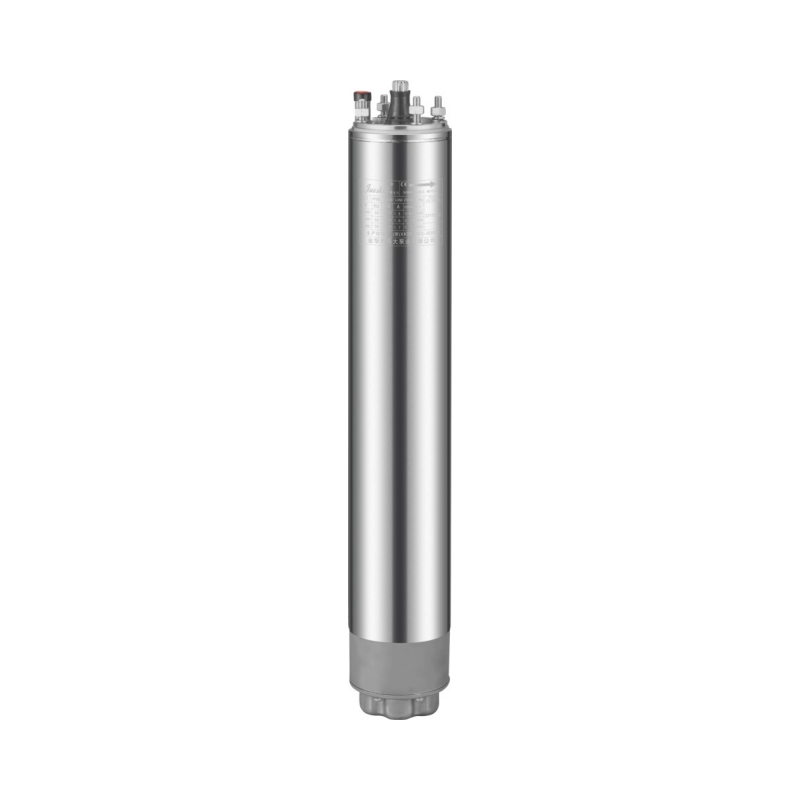
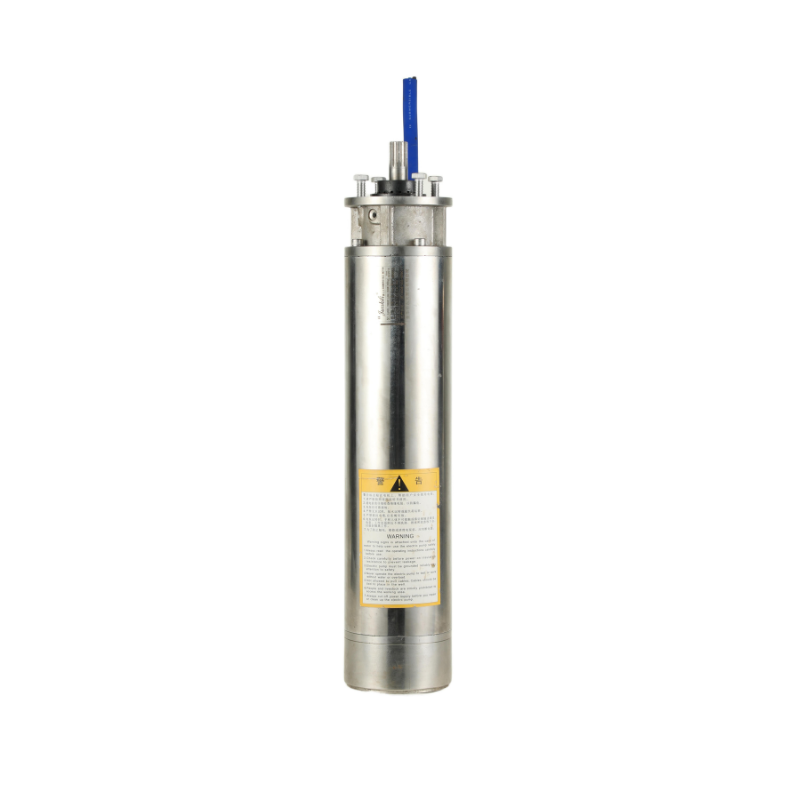
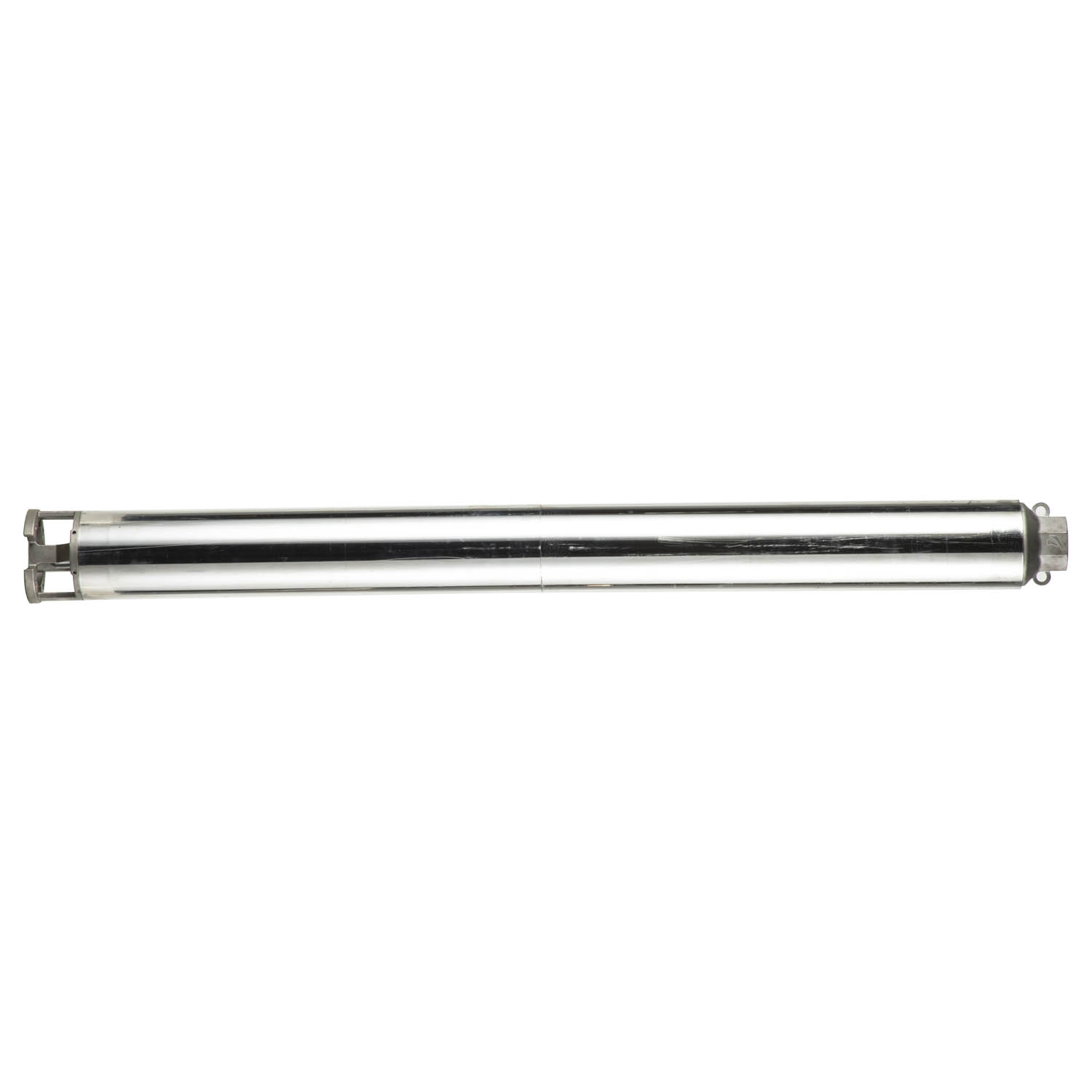
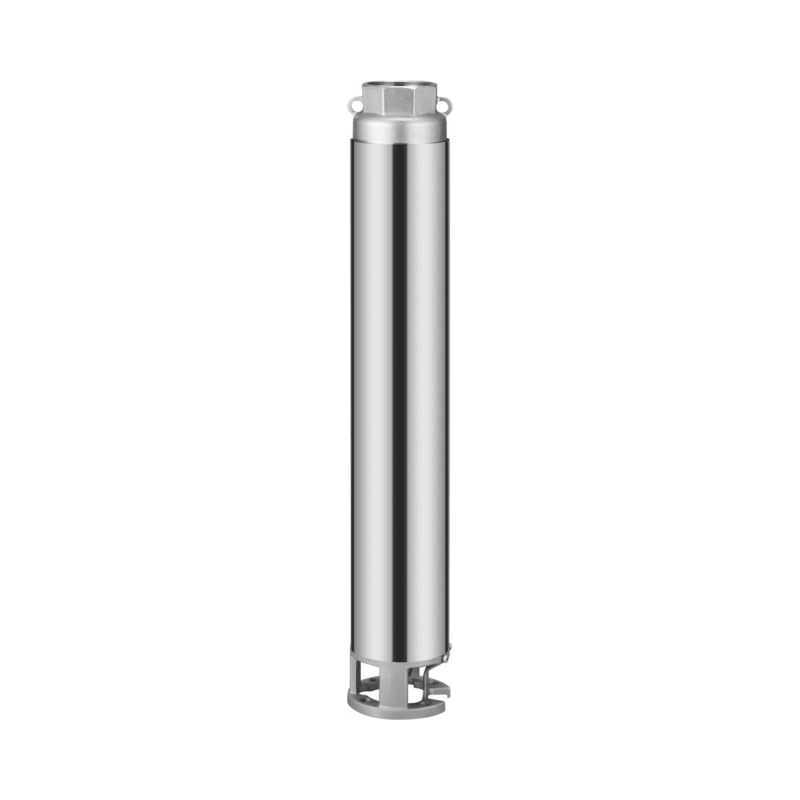
A borehole motor is a hermetically sealed electric motor designed to run fully submerged in a well or borehole. It couples directly to a multistage centrifugal pump (the pump end) and pushes water to the surface. Unlike surface pumps that pull water, the submersible design is more efficient, reduces the risk of cavitation, and allows greater depths.
These motors must handle high hydrostatic pressure, continuous duty, heat generation, and often abrasive or mineral-laden water. High-quality submersible borehole motors therefore feature stainless-steel construction, advanced sealing, and specialized thrust bearings. Deehp manufactures encapsulated motors , water-cooled motors , and oil-cooled motors specifically engineered for these demanding conditions.
Water-Filled vs. Oil-Filled Borehole Motors
Two primary cooling and lubrication technologies dominate the market for borehole pump motors.
Water-filled (or water-cooled / encapsulated) motors circulate a water-based fluid (sometimes with antifreeze) or use a canned/encapsulated stator design. They are environmentally preferred for potable water applications because a seal failure will not contaminate the aquifer. Many modern water-filled designs offer excellent reliability and are easier to service in some configurations.
Oil-filled motors use a specially formulated, often food-grade dielectric oil. The oil provides superior heat transfer and bearing lubrication, which can translate into longer life under continuous high-load conditions. Strict sealing is essential. Both technologies are available from leading borehole motors suppliers; Deehp produces high-performance versions of each so customers can match the motor to their water quality, regulatory, and duty-cycle requirements.
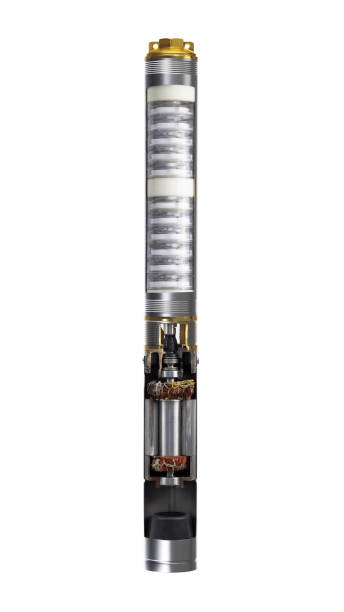
Materials and Mechanical Design That Matter
Boreal water is rarely pure. Minerals, sand, and chemicals attack inferior materials. The best borehole motors use:
• 304 (or higher) stainless steel for the outer shell, shaft, and critical covers
• Kingsbury-type or equivalent high-capacity thrust bearings to absorb the downward axial force generated by the pump
• Precision CNC-machined components for tight tolerances and smooth running
• Robust sand slingers and dual seals to exclude abrasive particles
• Class F or better insulation for thermal endurance
Deehp emphasizes these features—laser-welded stator assemblies, 304 stainless steel construction, replaceable leads tested to high pressure, and thrust bearings rated up to 1500 lbs—delivering the durability expected from a professional borehole motors manufacturer.
Single-Phase vs. Three-Phase Borehole Motors
• Single-phase motors suit residential and small agricultural boreholes where only single-phase power is available. They typically require a surface control box with start/run capacitors.
• Three-phase motors deliver higher efficiency, smoother torque, and better starting characteristics. They are the preferred choice for larger farms, industrial users, and solar/VFD systems whenever three-phase power (or an inverter) is available.
Deehp supplies both configurations across common voltage and frequency combinations, supporting global installations and OEM projects.
How to Size a Borehole Pump Motor Correctly
Correct sizing prevents burnout and energy waste.
1. Determine required flow rate (m³/h or GPM) based on end use.
2. Calculate Total Dynamic Head (TDH): static water level depth + drawdown + friction losses in the rising main and fittings + residual pressure.
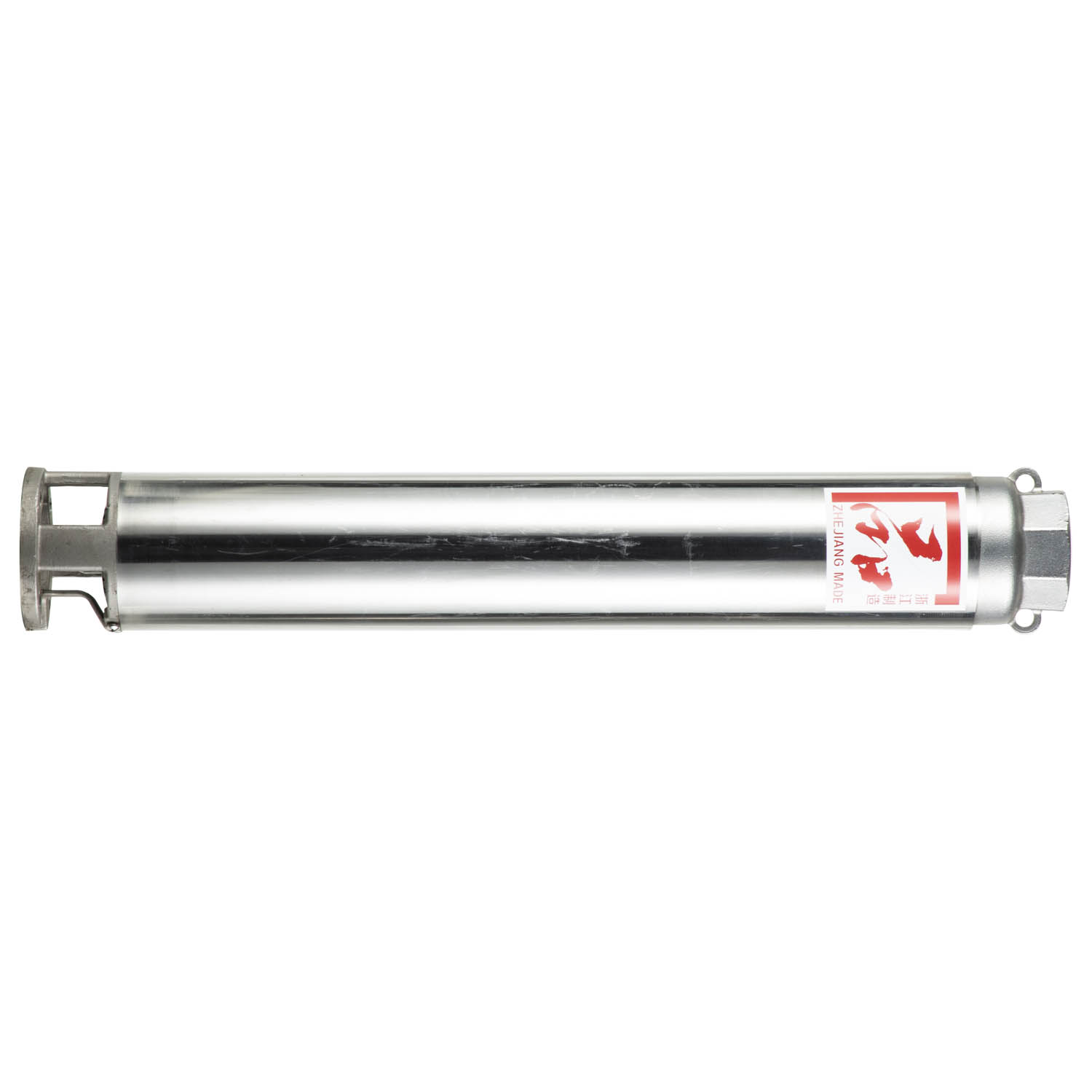
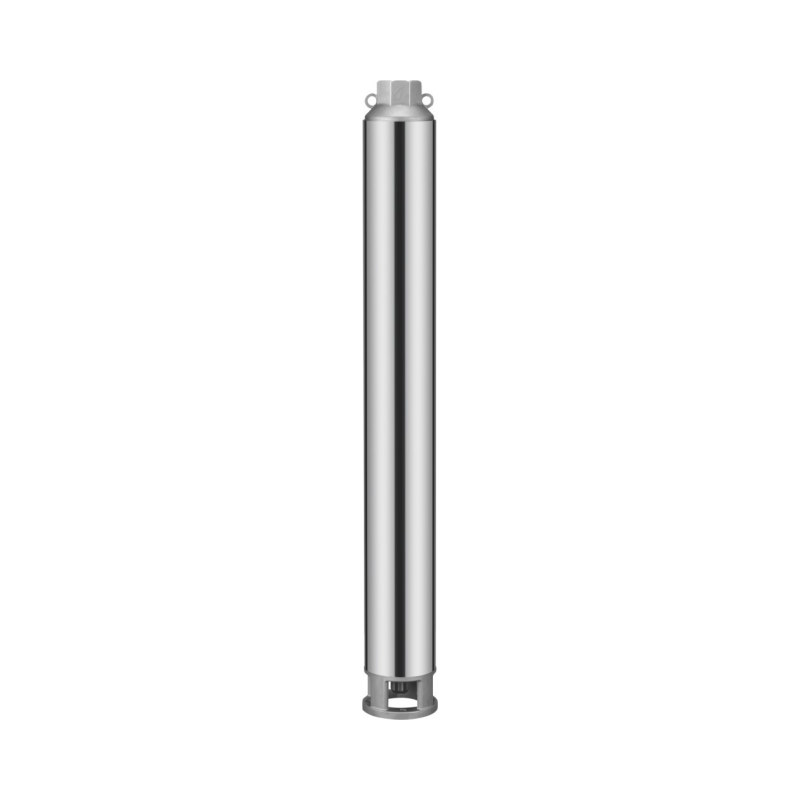
3. Select a pump end whose performance curve meets the flow and TDH, then choose a motor with matching power (HP/kW) and the correct NEMA flange/shaft standard.
4. Verify well diameter (commonly 4", 6", 8" or larger) and maximum immersion depth rating of the motor.
Providing these details to a knowledgeable borehole motors supplier such as Deehp allows precise matching or custom OEM borehole motors.
Why Manufacturing Quality and Supplier Support Matter
Specifications on paper are only as good as the factory that builds the product. Look for:
• Years of specialized experience in submersible technology
• In-house CNC machining, welding, heat treatment, and 100% testing
• International certifications (CE, TUV, ROHS, etc.)
• Ability to supply both standard and OEM/ODM solutions
• Application engineering support for agriculture, industry, aquaculture, municipal, and solar projects
Deehp meets these criteria with over 25 years of experience, a substantial production facility, and a full range of submersible well pumps and motors . Their products are used in agricultural irrigation, industrial water systems, fishery & aquaculture, municipal engineering, landscape features, and solar-powered water supply—demonstrating real-world versatility of their borehole pumps and motors .
Practical Tips for Long Service Life
Ensure adequate cooling flow past the motor (minimum velocity recommendations vary by model). Protect against dry running, voltage fluctuations, and frequent starts. Use proper cable sizing and quality control panels. Install with attention to vertical alignment and sand management. Choose a motor rated for the expected water temperature and chemistry.
Conclusion: Invest in the Right Borehole Motor
Selecting a borehole motor is not just a purchase—it is a long-term decision that affects water security and operating costs. Prioritize stainless-steel construction, the correct cooling technology, accurate sizing for flow and TDH, and a reputable borehole motors manufacturer and supplier. Deehp offers encapsulated , water-cooled , and oil-cooled motors plus complete submersible borehole pumps, backed by manufacturing strength and OEM flexibility.
Whether you need a standard motor for borehole pump, high-capacity industrial units, or custom OEM borehole motors, start with solid technical understanding and a quality partner. The result is reliable water delivery for years to come.
FREQUENTLY ASKED QUESTIONS
What is the best motor for a borehole pump?
The best motor matches your well diameter, required flow and TDH, power supply, water quality, and duty cycle. High-quality stainless-steel water-filled or oil-filled motors from established manufacturers such as Deehp are reliable choices.
Water-filled or oil-filled borehole motor – which should I choose?
Water-filled for potable water and environmental preference; oil-filled for potentially higher thermal performance and continuous heavy duty. Both are available from Deehp.
Does Deehp offer OEM borehole motors?
Yes. Deehp provides OEM and ODM services including custom configurations, branding, and packaging.
What sizes of submersible borehole motors are common?
4-inch and 6-inch are the most common for domestic and agricultural use; larger diameters (8″, 10″+) serve higher-flow industrial and municipal applications.
How long do quality borehole motors last?
With proper sizing, installation, and protection, high-quality motors can operate reliably for many years. Construction materials, thrust bearing design, and manufacturing quality are key factors.
Can these motors be used with solar power?
Yes. Many three-phase or compatible motors work well with solar inverters and VFD systems. Deehp supports solar-powered water supply applications.
ASK A PUMP EXPERT
Still have questions?
To speak with our technical or sales team, please send us an email, and we will get back to you shortly.