 Languages
Stages in Submersible Borehole Pumps – How Impellers Determine Lift Capacity
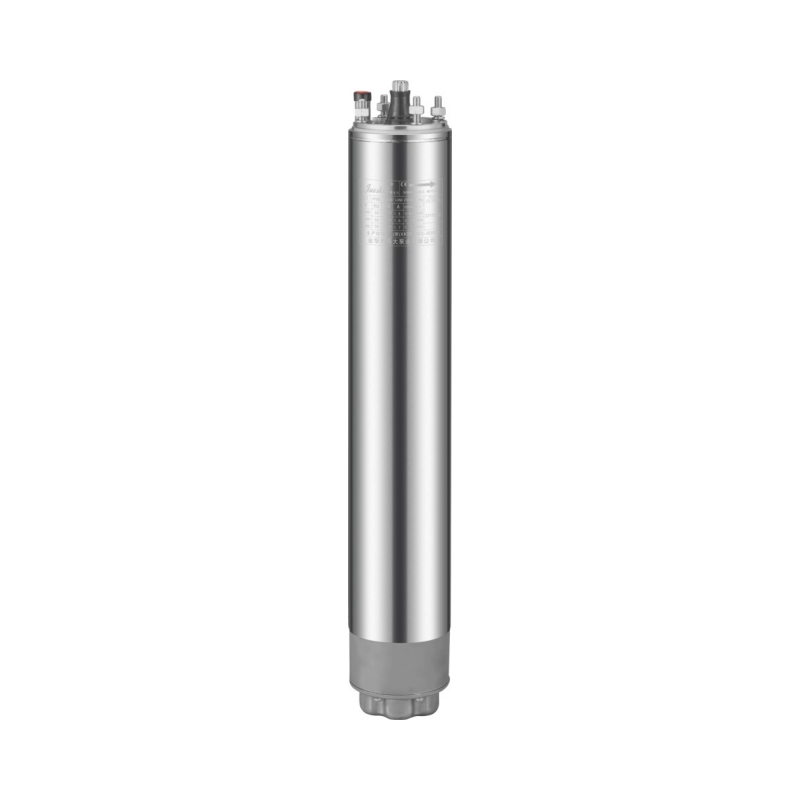
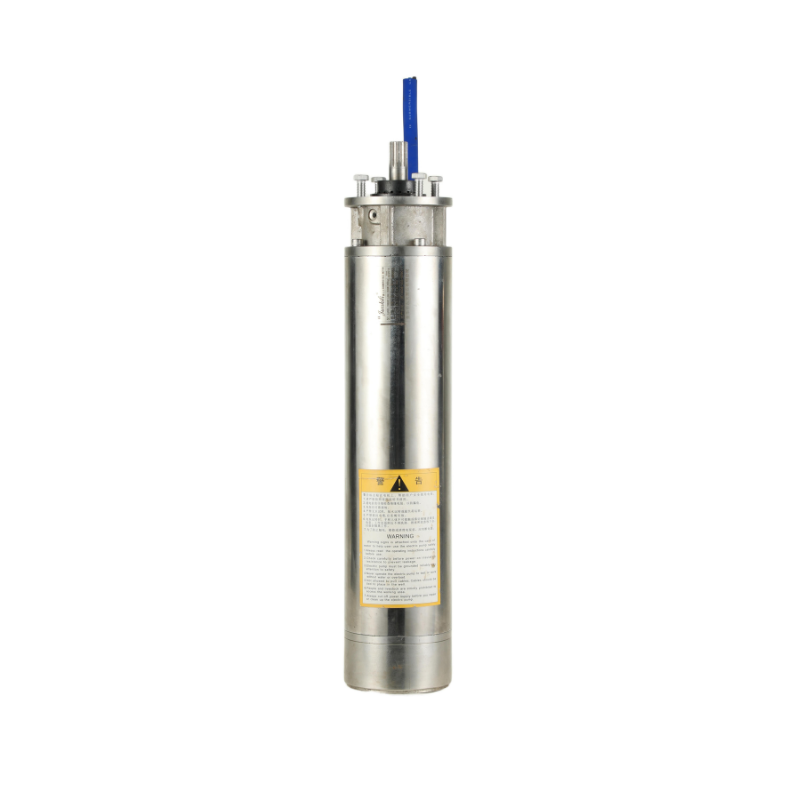
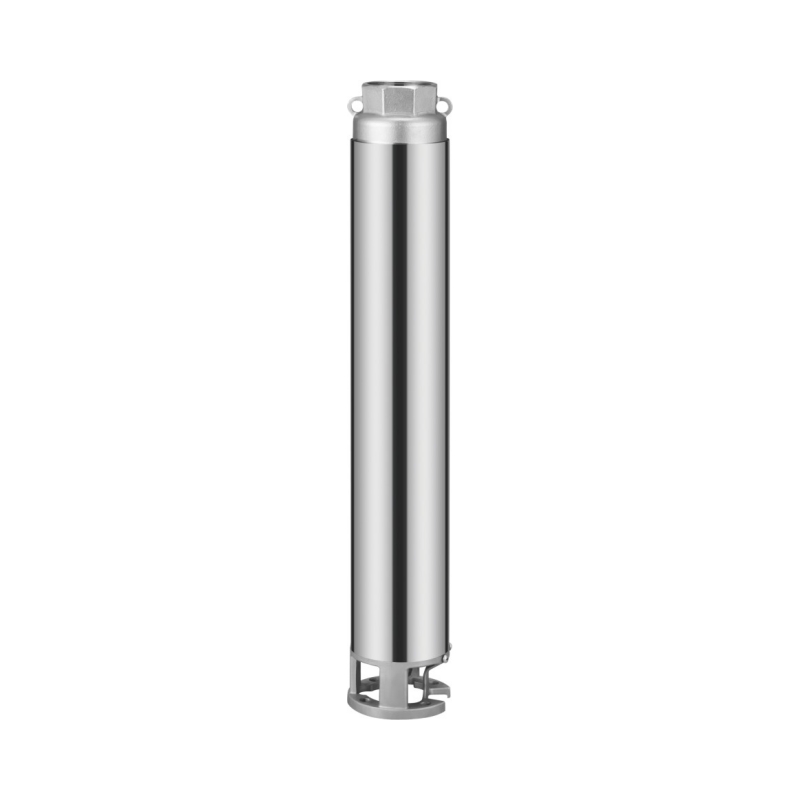
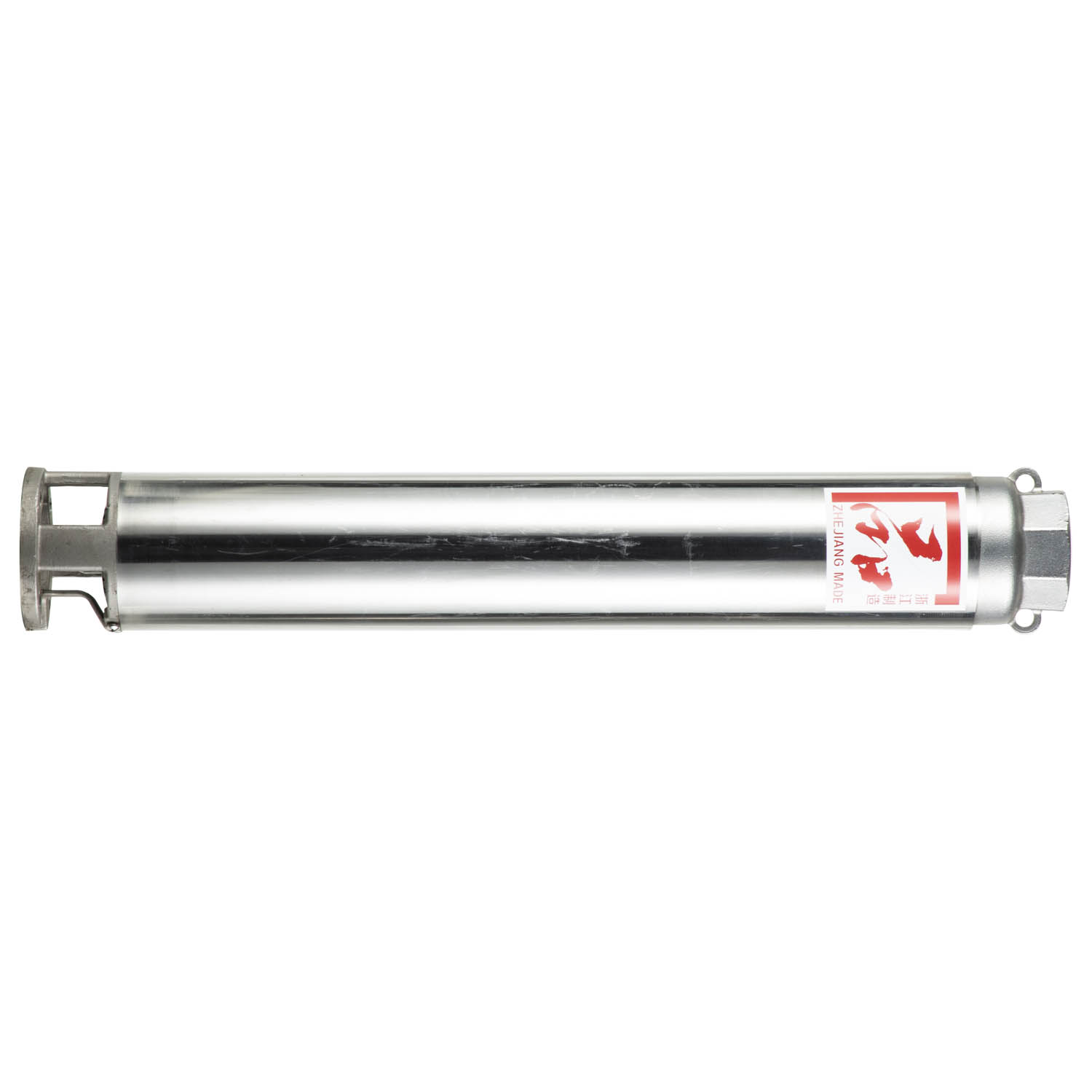
In borehole water systems the pump must lift water from significant depths while remaining fully submerged. The key design feature that makes this possible is the number of hydraulic stages inside the pump. Each stage consists of an impeller and a diffuser; stacking several stages on one shaft multiplies the pressure the pump can generate. Understanding stages is therefore essential when specifying a borehole pump, a motor for borehole pump duty, or a complete set of borehole pumps and motors. This article explains the concept in the context of deep-well applications and shows how manufacturers such as Deehp engineer both the pump end and the matching submersible borehole motor for reliable long-term performance.
Defining a Stage
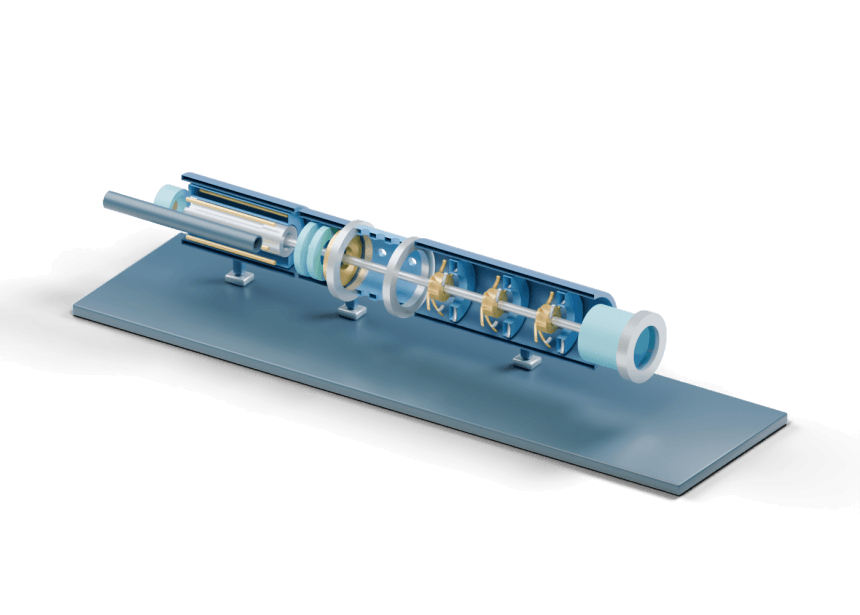
A centrifugal borehole pump converts mechanical energy from the motor into hydraulic energy through one or more rotating impellers. Water enters the eye of the impeller, is thrown outward by centrifugal force, and then passes through a stationary diffuser that slows the flow and converts velocity into pressure. One impeller–diffuser pair is called a stage. When several stages are mounted in series on the same shaft, the pressure rise of each stage is added to the next, producing a high total head while the volumetric flow remains essentially constant. This is why a slender multistage borehole pump can generate hundreds of metres of head yet still fit inside a standard well casing.
Single-Stage Borehole Pumps
A single-stage unit contains only one impeller. The construction is straightforward: a sealed motor (often a submersible borehole motor) drives a single impeller housed in a simple pump body. Because there is only one hydraulic stage, the pump is compact, mechanically simple and usually more efficient for low-to-moderate head duties.
Single-stage pumps are commonly used for domestic bore water supply, light agricultural irrigation and industrial transfer where the total dynamic head stays below approximately 100–125 m. The motor for borehole pump applications in these cases can be smaller and still deliver good efficiency.
Multistage Submersible Borehole Pumps
When the required head exceeds the practical limit of one impeller, additional stages are added. Each stage raises the pressure by roughly the same increment, so a pump with eight or twelve stages can easily produce heads of several hundred metres.
Pressure generation
Because the stages work in series, the total head is the sum of the individual stage heads. This additive effect is the reason multistage designs dominate deep-well service.
Efficiency at high head
Each impeller in a multistage pump can be smaller and run with tighter clearances than a single large impeller designed for the same total pressure. The improved hydraulic efficiency often allows a smaller motor for borehole pump duty and lower energy consumption.
Fluid limitations
Tight clearances make multistage pumps best suited to clean or lightly contaminated water. They are widely used for deep borehole irrigation, municipal water supply, reverse-osmosis feed, fire-fighting and high-pressure boosting.
Comparing the Two Designs for Borehole Use
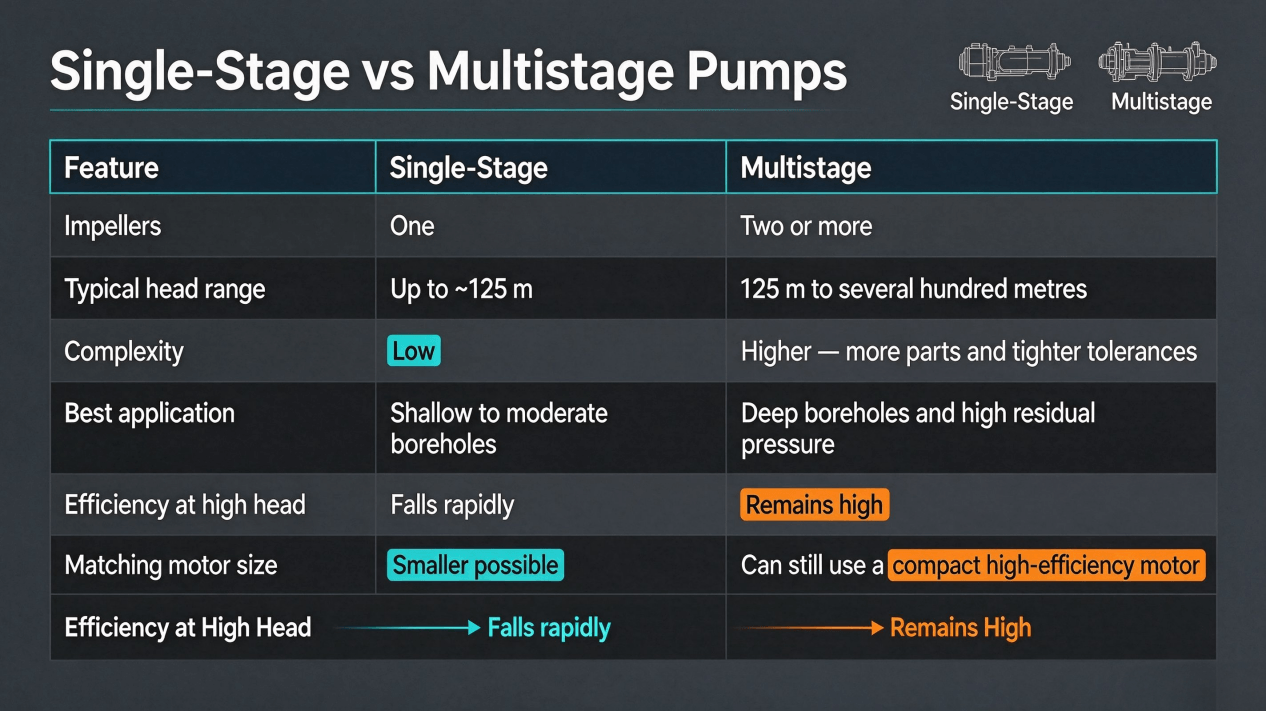
When site calculations show that a single stage is sufficient, it is usually the preferred choice because of simplicity and cost. When the head calculation exceeds the single-stage limit, only a multistage borehole pump can meet the duty without excessive power consumption or reduced life.
Selecting the Correct Stage Count and Motor
Correct selection begins with accurate site data: static water level, expected draw-down, required residual pressure at the surface, and pipe friction losses. The total dynamic head determines the number of stages. Once the pump end is chosen, a matching borehole pump motor is selected for power, voltage, thrust capacity and material grade.
A complete package of borehole pumps and motors from a single manufacturer simplifies this matching process. Deehp, as a specialist borehole motors manufacturer and supplier, produces both the multistage pump ends and the corresponding submersible borehole motors, including OEM borehole motors for private-label requirements. Full factory testing ensures that every stage and every motor perform to specification.
Practical Benefits of Correct Staging
Incorrect staging—too few stages for the head or too many stages for the required flow—leads to low pressure, wasted energy or premature wear. Proper selection avoids these problems.
Typical Applications for Multistage Borehole Systems
In every case a correctly staged submersible borehole pump driven by a quality motor for borehole pump duty delivers consistent, efficient performance.
Conclusion
The number of stages inside a submersible borehole pump is the primary factor that determines how much pressure—and therefore how much depth—the unit can handle. Matching the stage count to the actual head requirement, and pairing the pump with a correctly sized motor for borehole pump duty, produces efficient, long-lasting performance. As a focused borehole motors manufacturer and supplier of complete borehole pumps and motors, Deehp provides both the hydraulic stages and the driving motors needed for reliable bore-water systems worldwide.
FREQUENTLY ASKED QUESTIONS
What is a stage in a submersible borehole pump?
One impeller and its matching diffuser. Each stage adds a fixed amount of pressure.
How do stages affect lift capacity?
More stages produce higher total head, allowing the pump to lift water from greater depths.
How many stages are needed for my borehole?
The number is calculated from static level, dynamic draw-down and required surface pressure. Deeper wells need more stages.
Does a higher-stage pump consume more power?
A properly sized multistage pump is often more efficient than an undersized single-stage unit struggling against high head.
What happens if the stage count is wrong?
Too few stages give insufficient pressure; too many stages waste energy and can overload the motor.
Single-stage or multistage for borehole service?
Single-stage for shallow to moderate depths; multistage for deep boreholes and high-pressure requirements.
Why choose Deehp for borehole pumps and motors?
Deehp manufactures high-performance submersible borehole motors and complete multistage pump sets, offers OEM capability, and subjects every unit to rigorous testing for reliable deep-well service.
ASK A PUMP EXPERT
Still have questions?
To speak with our technical or sales team, please send us an email, and we will get back to you shortly.