 Languages
Using One Borehole Pump and Motor to Supply Multiple Tanks – Practical Design Guide
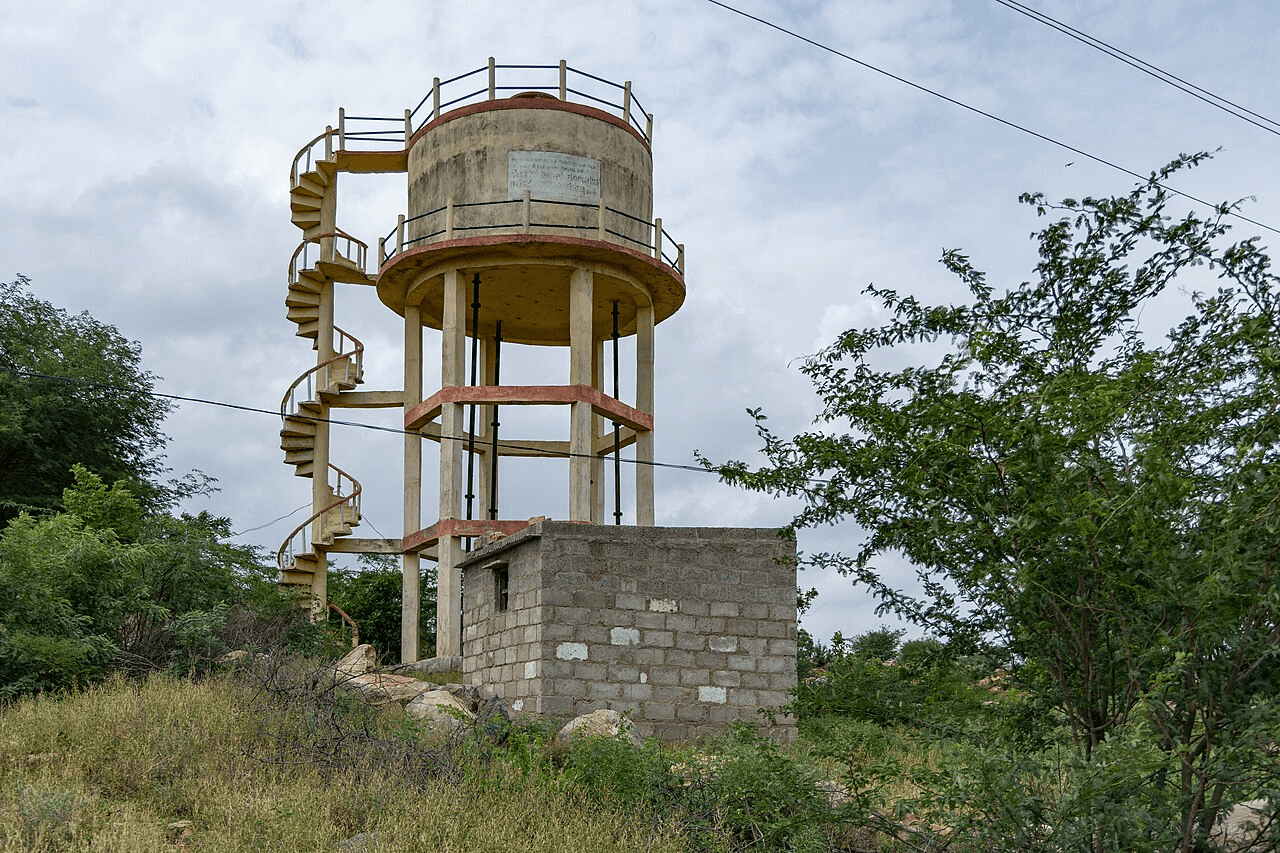
Many properties need water stored in more than one location. A house may have two rooftop tanks, a farm may keep separate reservoirs for different fields, and a commercial site may require independent tanks at different elevations. The natural question is whether a single borehole pump driven by one submersible borehole motor can serve all of them.
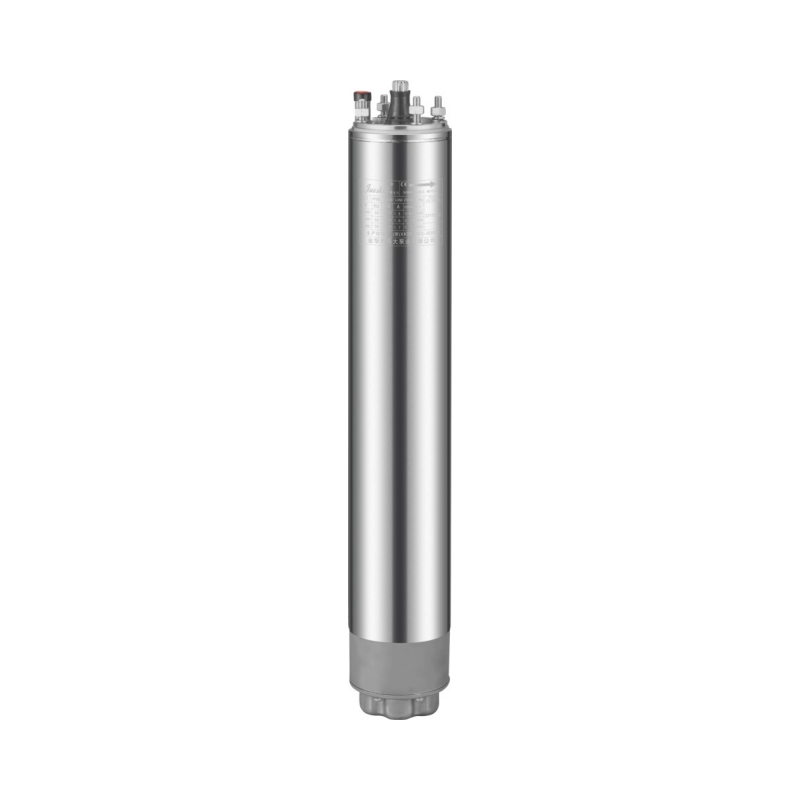
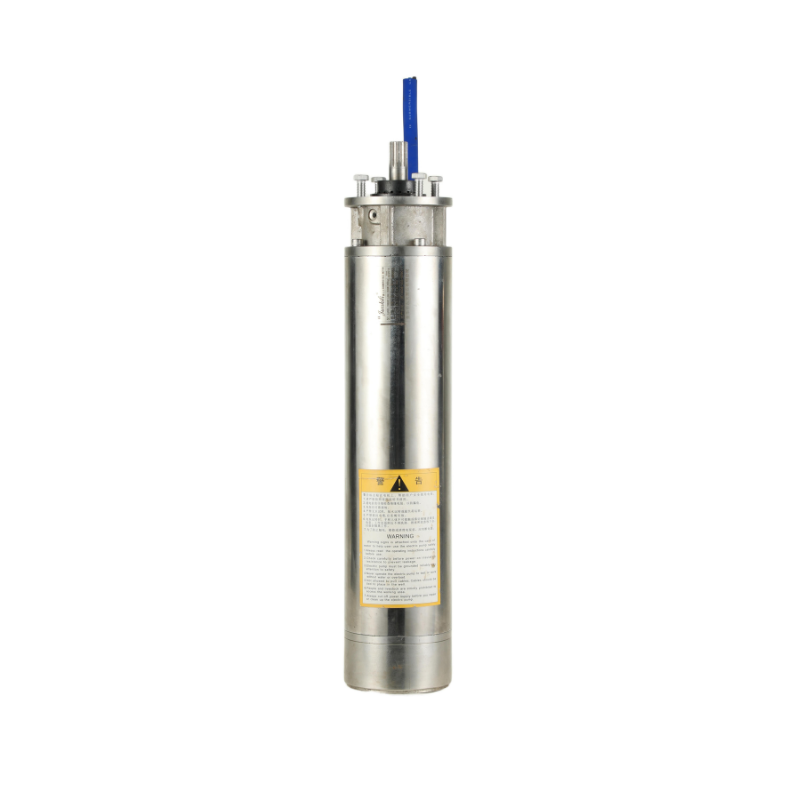
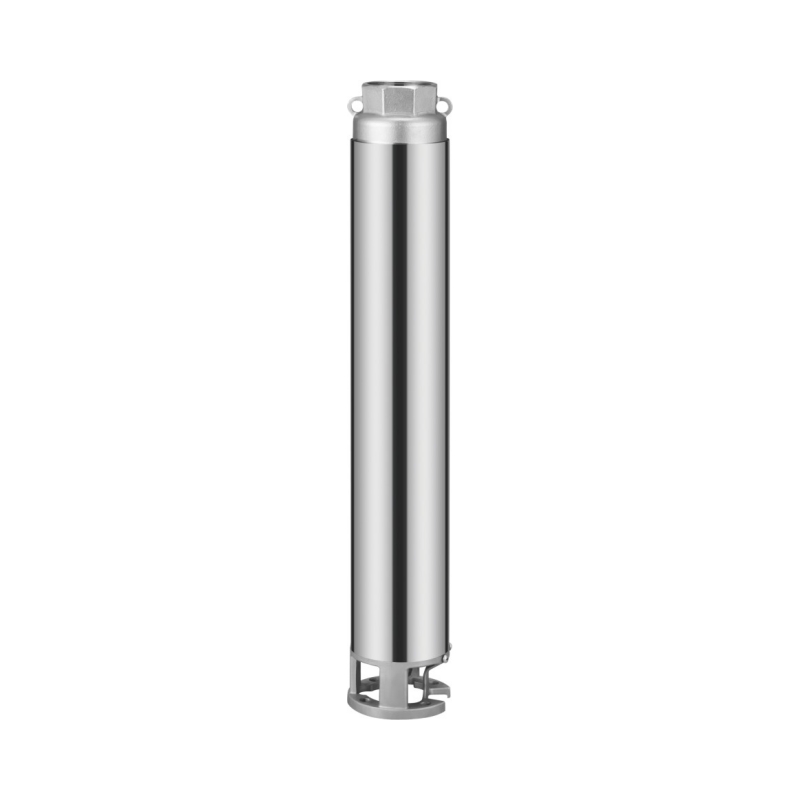
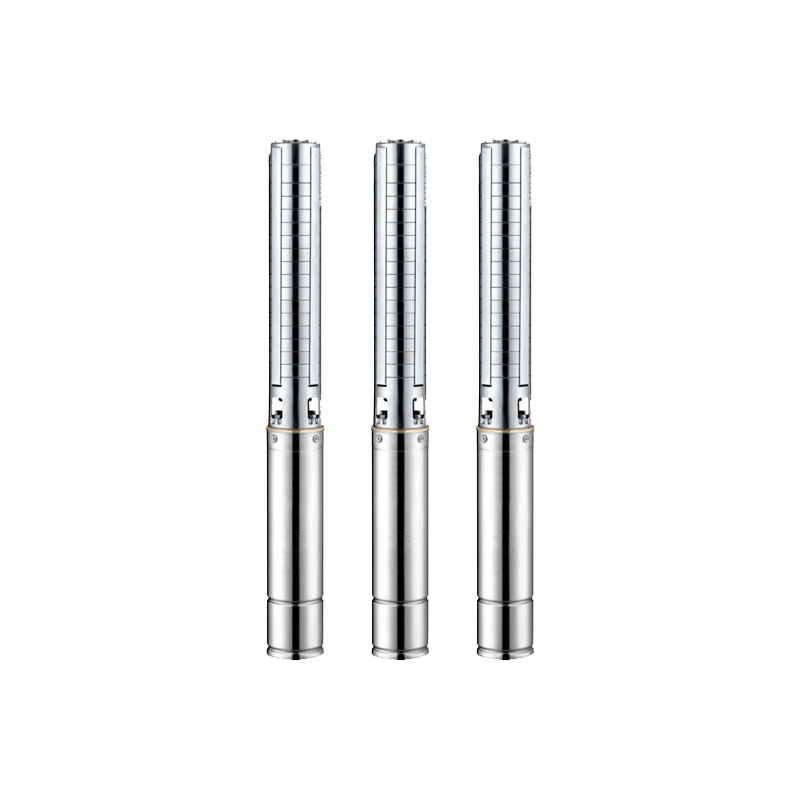
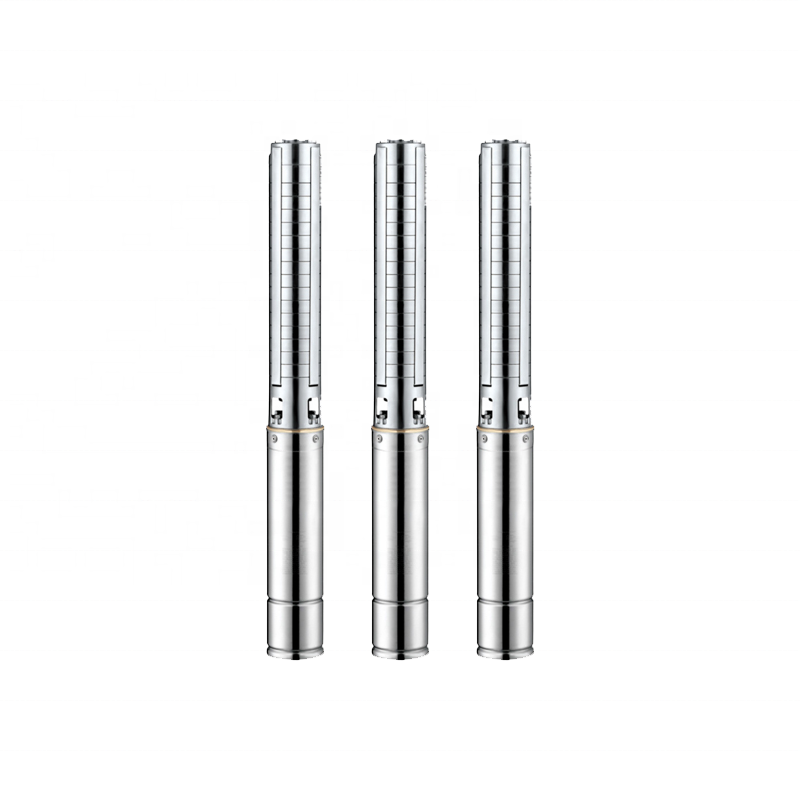
The answer is yes, provided the hydraulic and control design is correct. This article explains how a single set of borehole pumps and motors can feed multiple tanks, the factors that determine success, step-by-step connection principles, typical problems, and when a second pump becomes the better choice. Throughout we emphasise the role of a reliable motor for borehole pump and the value of sourcing from an experienced borehole motors manufacturer and supplier such as Deehp .
Principle of Multi-Tank Supply from One Borehole Pump
The submersible borehole pump lifts water and discharges it into a main rising main. At a convenient distribution point the main line is split into branch pipelines, each serving one tank. Isolation valves allow individual shut-off, while float valves or electronic sensors close the flow to a full tank and signal the control panel. The panel starts the borehole pump motor only when at least one tank requires water and stops it when all demand is satisfied, also providing dry-run and overload protection.
Filling may be simultaneous (all branches open) or sequential (valves open one after another). Simultaneous filling is convenient when the pump has ample capacity; sequential filling offers better control when elevations or distances differ markedly.
Critical Design Factors
Combined flow requirement
Add the volumes of all tanks and decide the maximum acceptable fill time. Convert this into a net system flow rate. The selected borehole pump and its motor must still deliver that flow after friction and elevation losses.
Total dynamic head
Include the deepest pumping water level, the highest tank elevation, friction in the longest or most restrictive path, and any residual pressure. The motor for borehole pump must be capable of driving the pump at this head without leaving its preferred operating range.
Pipe sizing and layout
Undersized pipes create excessive friction, especially when several branches are open. Correct diameters keep velocities reasonable and pressure losses acceptable.
Borewell yield
The aquifer must be able to sustain the required continuous extraction rate. A high-capacity submersible borehole pump is useless if the well cannot keep up; dry-run protection is therefore essential.
Control architecture
Each tank needs its own level sensing. The central controller must coordinate valves (if used), start and stop the borehole motor cleanly, and protect against dry running and excessive cycling.
Step-by-Step Connection Approach
1. List every tank capacity and the desired maximum fill time; calculate required system flow.
2. Determine the most demanding total dynamic head path.
3. Select a pump end and matching submersible borehole motor whose curve covers the duty point with margin.
4. Install a correctly sized main delivery line and branch pipes with isolation and non-return valves as needed.
5. Fit individual level controls and wire them to a panel that also protects the borehole motor.
6. Commission the installation, verifying flow to each tank, motor current, and that the unit remains inside its efficient range.
Typical Problems and Remedies
Uneven filling is the most common complaint and is usually solved by balancing valves or sequential control. Low pressure at distant or elevated tanks points to insufficient pump capacity or undersized pipes. Overflow is eliminated by reliable individual sensors. Frequent short-cycling is reduced by appropriate dead-band settings or a small intermediate buffer. Dry running is prevented by source-level monitoring linked to the motor protection circuit.
When a Second Pump or Central Storage Is Preferable
Extreme elevation differences, very high simultaneous demand, or the need for completely independent zones may justify either a second dedicated borehole pump or a central storage tank plus booster set. The extra equipment increases capital and maintenance cost, so the decision should rest on a clear comparison of reliability and operating expense.
Equipment Selection Guidance
Choose the borehole pump and motor on the basis of required flow and total dynamic head, not horsepower alone. A durable submersible borehole motor from a specialist borehole motors manufacturer such as Deehp provides the continuous-duty torque and sealing integrity needed for multi-tank service. Deehp offers encapsulated, water-cooled and oil-cooled motors together with complete pump sets, and supports both standard supply and OEM borehole motors tailored to specific projects.
Provide the supplier with borewell depth, water levels, tank elevations, pipe lengths and daily demand so the selection can be confirmed against actual performance data.
Conclusion
A single, correctly specified borehole pump driven by a reliable submersible borehole motor can efficiently supply multiple storage tanks for homes, farms and many commercial sites. Success rests on accurate hydraulic calculation, proper pipe design, individual tank level control and robust motor protection. When these elements are in place the system delivers consistent water distribution while protecting the equipment. For quality borehole pumps and motors, including OEM options, Deehp stands as an experienced manufacturer and supplier ready to support multi-tank installations.