 Languages
Understanding Gradual Pressure Drop in Borehole Pumps and Motors – Causes and Fixes
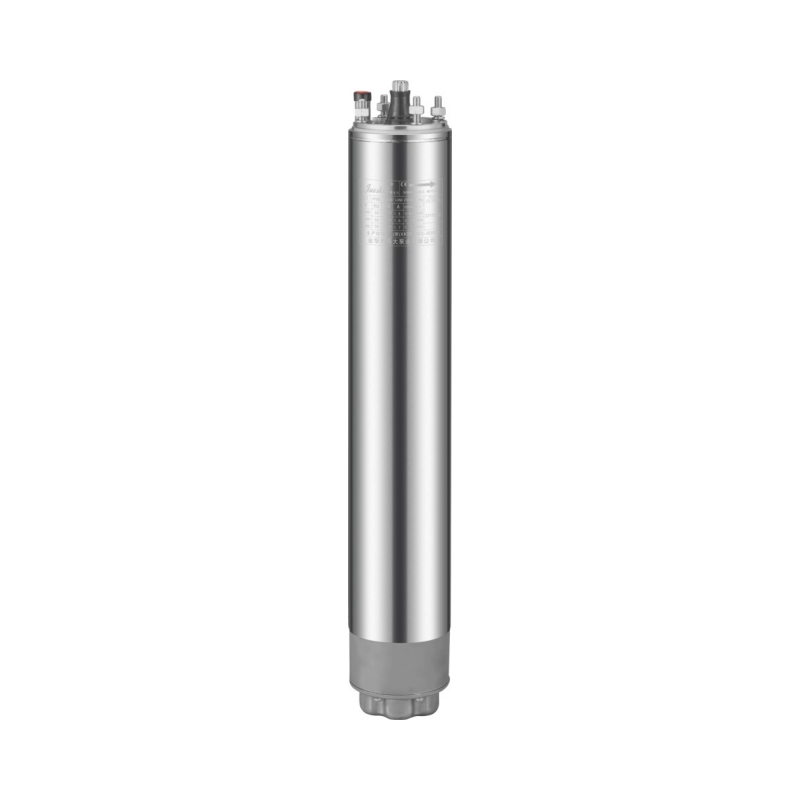
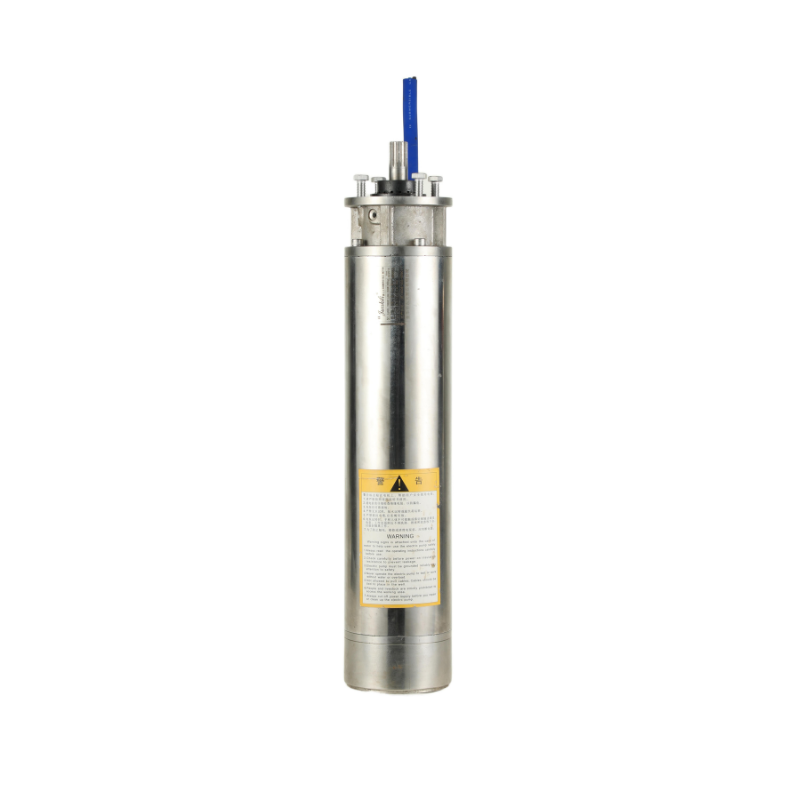
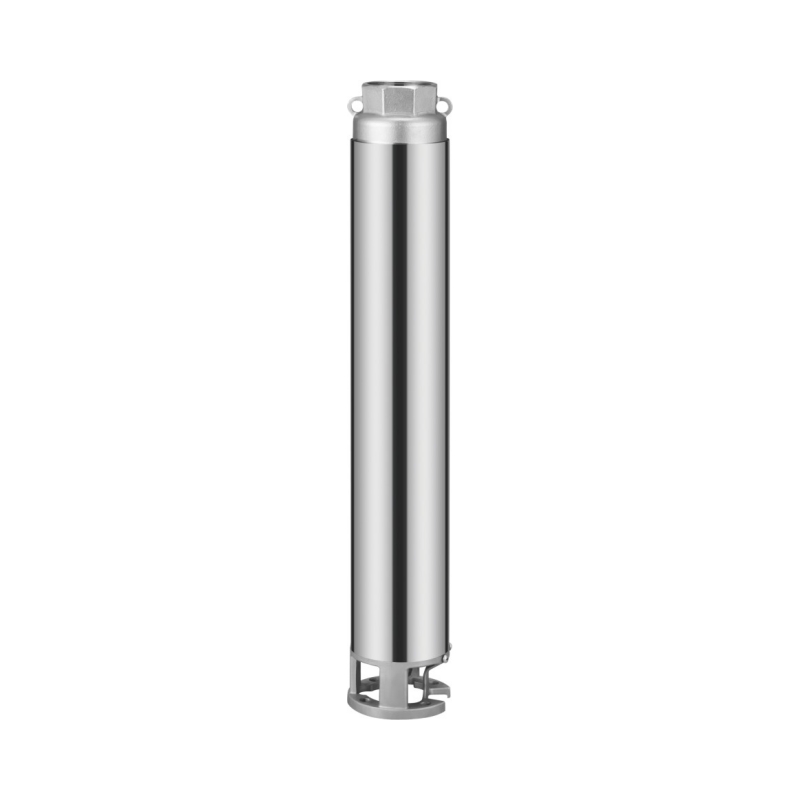
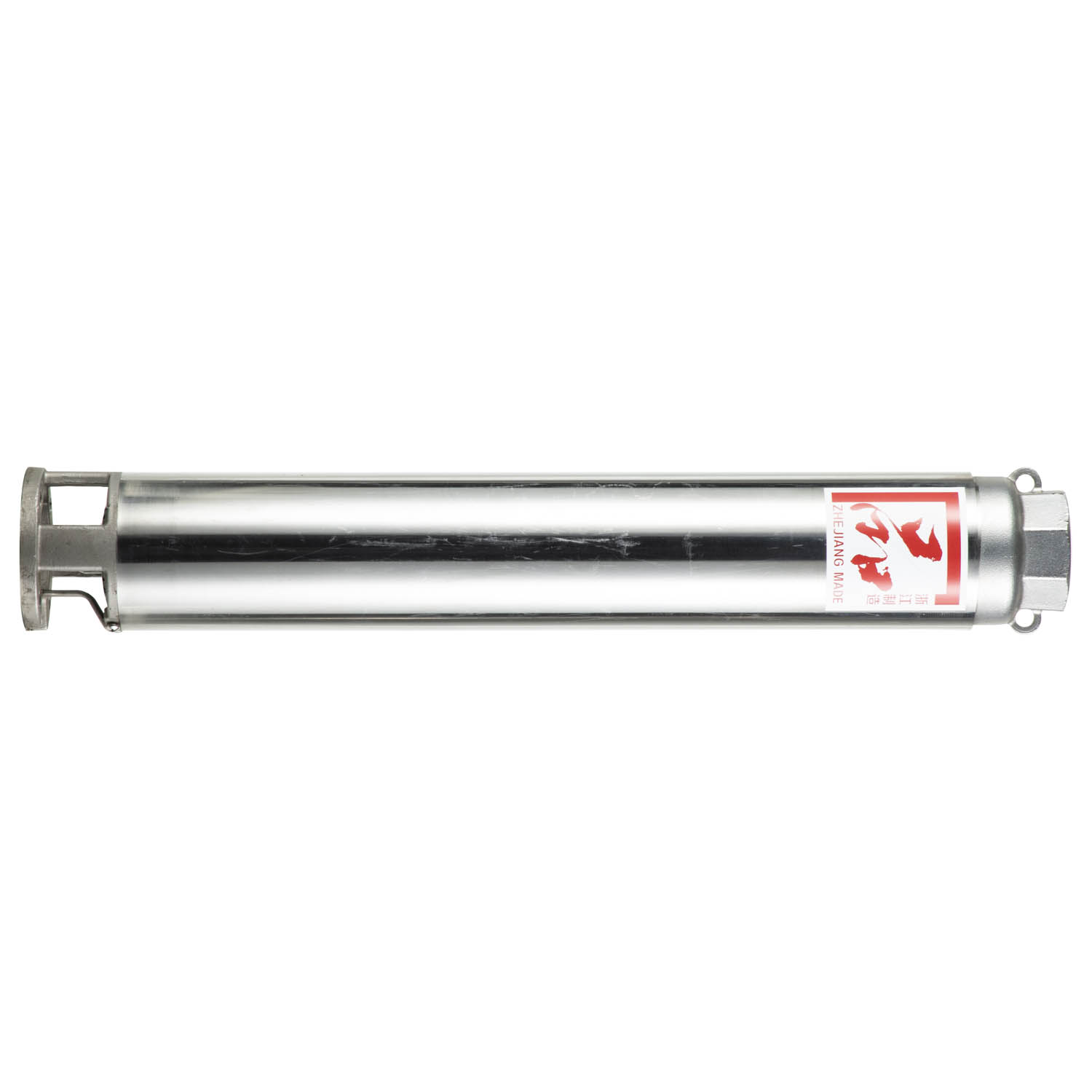
Consistent water delivery from a borehole depends on the combined performance of the hydraulic stages and the motor that drives them. Over months or years many installations show reduced pressure, slower tank filling, or difficulty serving elevated outlets. Knowing the typical reasons a borehole pump or bore-water system loses pressure allows accurate diagnosis and protects the investment in submersible borehole motors and pumps.
This article examines the principal causes, a practical inspection order, preventive measures, and the point at which replacement of the pump end or the motor for borehole pump becomes the sensible route. Emphasis is placed on the contribution of quality submersible borehole motors supplied by a dedicated borehole motors manufacturer and supplier such as Deehp .
Principal Causes of Falling Pressure in Borehole Installations
The pump stages convert rotational energy from the borehole motor into pressure and flow. Anything that lowers hydraulic efficiency or raises system resistance reduces the pressure measured at the surface.
Impeller Erosion Inside the Borehole Pump
Abrasive solids carried by the water gradually wear the impeller vanes and enlarge internal clearances. The motor continues to turn at the same speed, yet less head is generated. Gradual pressure decline, longer fill times, and occasional vibration are the usual clues. Light fouling may respond to cleaning; advanced wear normally requires stage or complete pump-end replacement.
Lowering of the Water Table
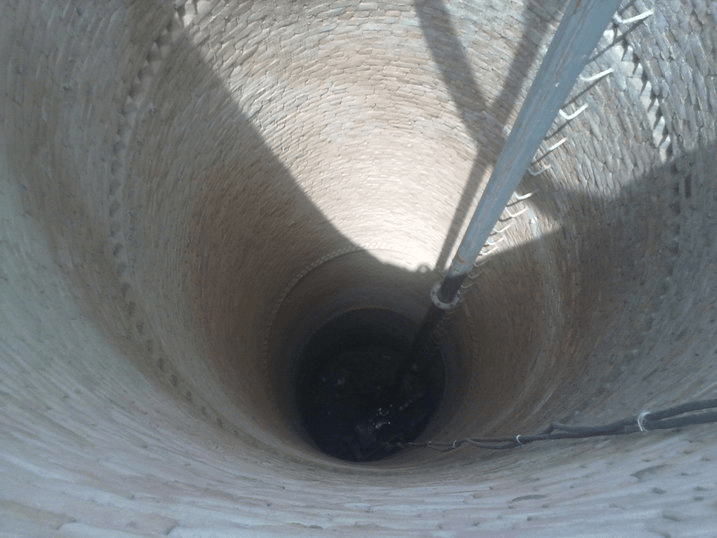
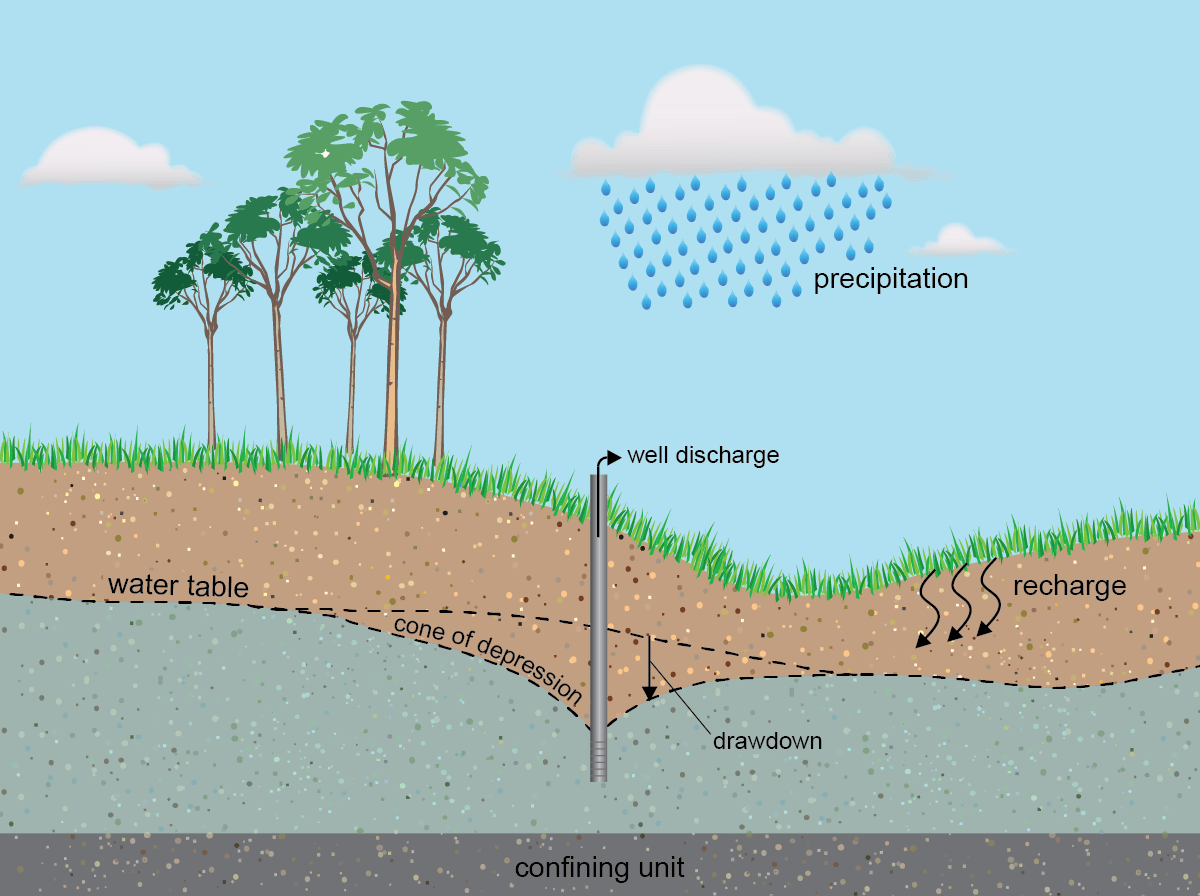
Seasonal or long-term decline in static level increases the vertical distance the water must be lifted. The same motor speed and pump geometry now operate against a higher total head, so surface pressure and flow fall. When the level nears the intake, dry-running risk appears and can damage both the hydraulic end and the submersible borehole motor. Periodic level measurement is the only reliable detection method.
Restricted Strainers, Stages, or Rising Mains
Accumulated sand, scale, or debris raises friction losses. The borehole pumps and motors work harder yet deliver less at the outlet. Clearing accessible filters and pipe sections often restores performance; internal cleaning of the stages may be needed if the restriction lies deeper.
Electrical Conditions Affecting the Borehole Motor
Correct voltage and phase balance are required for the motor to reach design speed. Undervoltage, imbalance, or poor connections slow the rotor and cut hydraulic output. Overheating or frequent tripping may accompany the pressure drop. Verification against the motor nameplate by a qualified electrician is essential.
Downstream Leakage
Water lost through joints or underground fractures never reaches the point of use. The pump and motor may be healthy, yet measured pressure is low and pressure-controlled systems may short-cycle. Pressure testing locates most leaks so that simple repairs restore normal operation.
Control-Component Faults
A failed pressure-tank bladder or drifted switch settings produce rapid cycling or prevent the system from entering the design pressure band. The borehole pump appears weak when the real issue lies in the surface controls.
Ordered Checks That Identify the Source
Compare current delivery performance with earlier records.
Read the operating pressure gauge.
Inspect visible pipework for moisture.
Measure present groundwater level.
Confirm electrical supply values and protection settings.
If external results are inconclusive, arrange internal examination of the pump stages.
Power must be isolated before any work on the submerged assembly.
Measures That Limit Future Pressure Decline
Match pump and motor capacity accurately to head, flow, well diameter, and water quality. Fit dry-run protection. Reduce sand entry through proper well construction. Maintain sound electrical connections. Keep simple performance records so change is noticed early. Specify equipment from a specialist borehole motors manufacturer. Deehp designs and builds encapsulated motors, water-cooled motors, oil-cooled motors, and complete submersible borehole pumps using stainless-steel construction, precision machining, and full production testing. These products serve irrigation, domestic supply, industrial duty, and OEM projects, giving users a reliable foundation for long-term bore-water service.
When Replacement of Pump or Motor Is the Practical Path
Cleaning, sealing, or control adjustment solves many cases. Replacement is the clearer choice when stages are heavily eroded, the motor has suffered insulation or mechanical failure, repair cost approaches that of a new quality unit, or current demand exceeds the capability of the existing equipment.
Confirm head, flow, well size, immersion depth, and electrical data before ordering. Deehp supplies both standard and OEM borehole motors and pump sets configured to those requirements.
Summary
Gradual pressure loss in a borehole installation almost always traces to impeller wear, water-level change, restrictions, electrical supply, leakage, or control faults. Methodical diagnosis, routine care, correct initial selection, and quality submersible borehole motors and pumps from a manufacturer such as Deehp keep systems delivering water reliably for years.
Whether the need is a replacement motor for borehole pump, a complete submersible borehole pump set, or custom OEM borehole motors, starting with accurate matching and robust construction is the most effective way to minimise future pressure problems.