 Languages
Encapsulated Motors: What They Are, How They Work, and How to Choose One
A complete guide to epoxy-sealed stator windings — the technology that keeps water, dust, and moisture out of the electrical core.
Updated October 12, 2026 · Deehp
Introduction
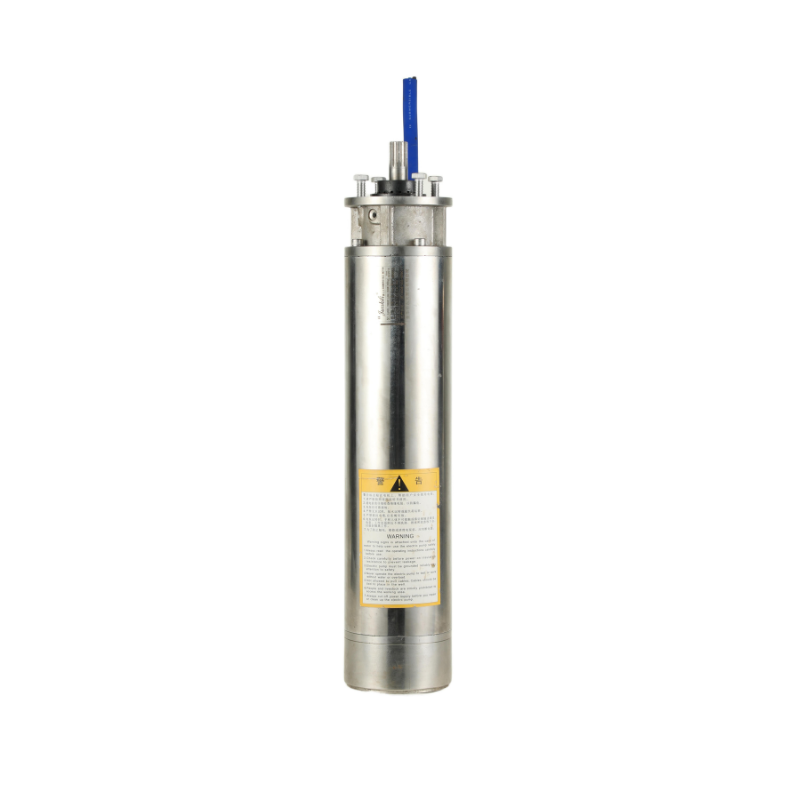
Water, dust, and moisture are the three silent killers of electric motors. Once they penetrate the winding structure, insulation breaks down, short circuits follow, and an entire pumping system comes to a standstill. That is exactly the problem the encapsulated motor was engineered to solve. By sealing the stator windings inside a solid layer of insulating resin, this design shields the most vulnerable part of the motor from the environment — and it has become the trusted choice for submersible pumps, deep well systems, and harsh industrial sites worldwide.
At Deehp , a manufacturer specializing in encapsulated motors and submersible well pumps , we build every motor around this core principle: protect the electrical core first, and reliability will follow. In this guide, we explain what an encapsulated motor is, how it works, why it outperforms conventional designs, and how to select the right one for your application.
What Is an Encapsulated Motor?
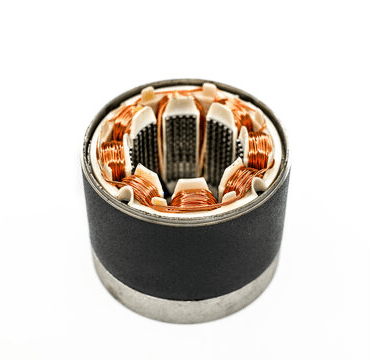
An encapsulated motor is an electric motor whose winding structure is completely coated with an insulating resin, typically epoxy, rather than a simple varnish layer. Industry references define an encapsulated winding as a winding "completely coated with an insulating resin (such as epoxy)" and note that this construction is specifically designed for exposure to more severe atmospheric conditions than a normal varnished winding (US Motors, Nidec — Motor Machinery Terminology).
The distinction matters. A standard motor relies on a thin varnish film that offers basic protection against light moisture, but it cannot withstand total submersion, heavy condensation, or abrasive industrial grime. In an encapsulated design, manufacturers pressure-impregnate or mold the epoxy so that it fills the stator slot regions and the end windings completely, forming a rigid, waterproof shell around the electrical core (GlobalSpec — AC Motors: Enclosure Types and Cooling). The result is a motor that operates safely where a conventional motor would fail within weeks.
How Does an Encapsulated Motor Work?
Encapsulation works through three mechanisms working in concert.
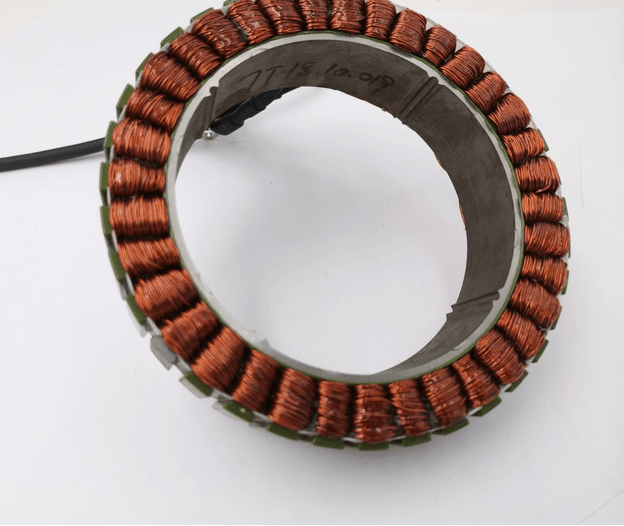
First, physical sealing. The thermoset resin physically isolates the copper windings from water, humidity, chemicals, and particulates, eliminating the pathways that cause insulation failure and short circuits. Second, thermal management. Modern encapsulation compounds are engineered with high thermal conductivity. Instead of trapping heat inside, the resin acts as a bridge that conducts winding heat outward to the motor casing, keeping core temperatures lower under sustained load. Third, mechanical damping. The hardened resin locks the winding wires in place, preventing the micro-vibration and friction between conductors that gradually wear through insulation over years of operation.
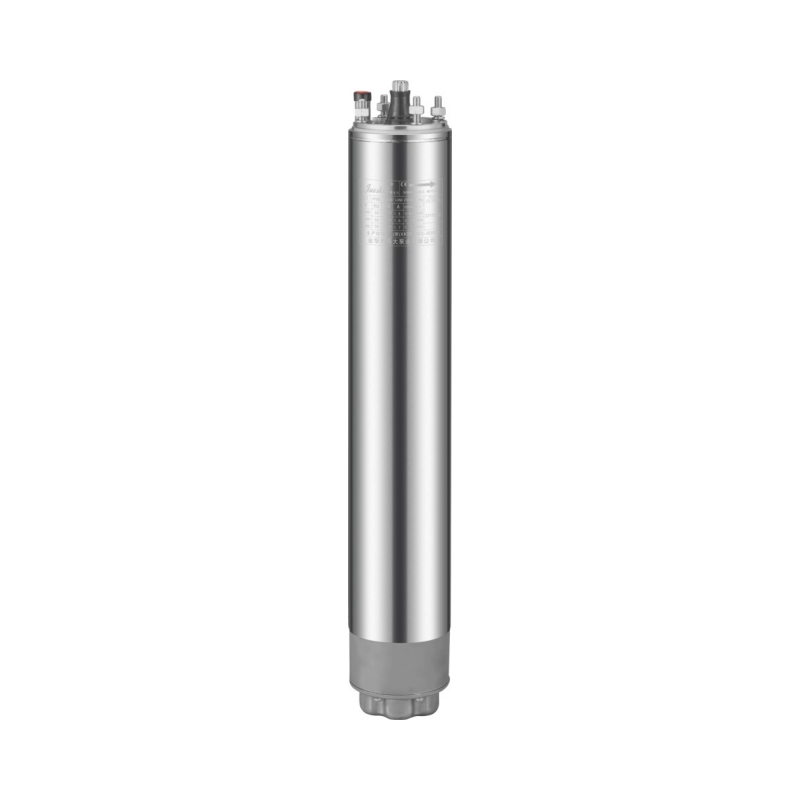
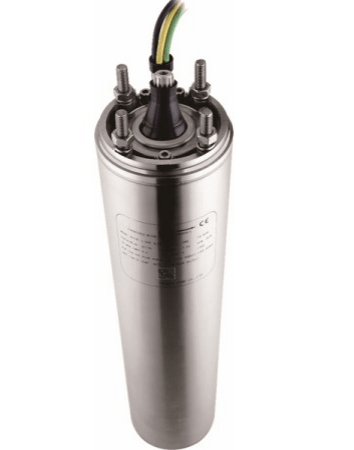
In submersible configurations — the most common use case — this encapsulated core is paired with a hermetically sealed stator, water-lubricated bearings, and a pressure-compensating diaphragm, so the entire motor runs safely submerged at depth. Leading submersible motor manufacturers such as Franklin Electric build 4", 6", and 8" encapsulated motors on exactly this principle, filling the motor with a dielectric fluid and sealing it for maintenance-free operation in water wells (Franklin Electric — 4" Encapsulated Motors ).
Key Benefits of Encapsulated Motors
Why do engineers specify encapsulated motors for demanding duty? The advantages are concrete:
- Superior environmental protection. Because the electrical core is sealed, water and moisture cannot trigger short circuits. This makes encapsulated motors highly dependable in unpredictable weather, wet facilities, and flooded environments.
- Extended service life. Lower internal temperatures and locked-in windings reduce thermal and vibrational stress — the two leading causes of motor failure — so the motor runs longer between overhauls.
- Reduced maintenance. With the winding immune to dust buildup and minor corrosion, routine cleaning and part replacement become unnecessary, cutting total cost of ownership.
- Better heat dissipation. Thermally conductive epoxy moves heat away from the windings, allowing stable performance even during continuous heavy-duty operation.
- Corrosion and abrasion resistance. Encapsulated motors shrug off salt air, chemical vapors, and abrasive particles that would degrade a varnished motor's insulation.
- Reliable starting. Single-phase encapsulated motors with PSC design provide dependable pump starting across a wide range of incoming voltages — a practical advantage in rural or unstable grids.
- Encapsulated winding motors (surface type). Used in industrial environments with high humidity, washdown, or chemical exposure; the epoxy-coated stator provides protection equivalent to a totally enclosed machine without a heavy external enclosure.
- Submersible encapsulated motors (canned/thermetic type). Designed to operate fully submerged, these motors combine an encapsulated stator with a water- or oil-filled casing, water-lubricated thrust and radial bearings, and a pressure-compensation diaphragm. They power deep well pumps, borehole pumps, and offshore systems.
- Size and electrical configurations. Encapsulated submersible motors are commonly available in 4", 6", and 8" NEMA-standard diameters, in single-phase and three-phase versions, and in both 50 Hz and 60 Hz ratings to suit regional power grids.
- Deep well and borehole pumping — the backbone of residential, agricultural, and municipal water supply
- Agricultural irrigation — continuous duty in dusty, humid, and exposed field conditions
- Industrial water supply — process water, cooling systems, and transfer duties
- Municipal engineering — pressurization, water treatment, and pipeline booster systems
- Fishery and aquaculture — reliable circulation and aeration in wet environments
- Solar-powered water supply — efficient DC-friendly operation for off-grid projects
- Landscape and garden systems — quiet, low-maintenance pumping for decorative water features
- Dimension and coupling. Match the motor diameter (4", 6", 8") and NEMA flange to your pump's coupling to guarantee a leak-free connection.
- Power and voltage. Size the motor for your flow and head requirements, and confirm it supports your local voltage and phase supply.
- Frequency. Choose a 50 Hz or 60 Hz rating that matches your regional grid; this directly affects speed, flow, and head output.
- Materials and protection. Look for corrosion-resistant casings, a verified insulation class, and a suitable IP rating for the installation depth and environment.
- Manufacturer quality. Evaluate production processes: precision CNC machining of shafts and casings, controlled encapsulation molding, and rigorous testing all determine real-world reliability.
- Protect the cable entry. Even the best encapsulation fails if the power cable seal is damaged; use factory-supplied cable guards and check seals during installation.
- Match the control box. Single-phase encapsulated motors perform best with a correctly rated control box that provides overload and dry-run protection.
- Check insulation resistance annually. A simple megohm test confirms the winding seal remains intact and catches problems before failure.
- Never run dry. Water-cooled encapsulated motors require submersion or proper cooling flow; dry running damages bearings and the seal system.
Types of Encapsulated Motors
Not all encapsulated motors are built alike. Understanding the main categories helps you match the design to the job:
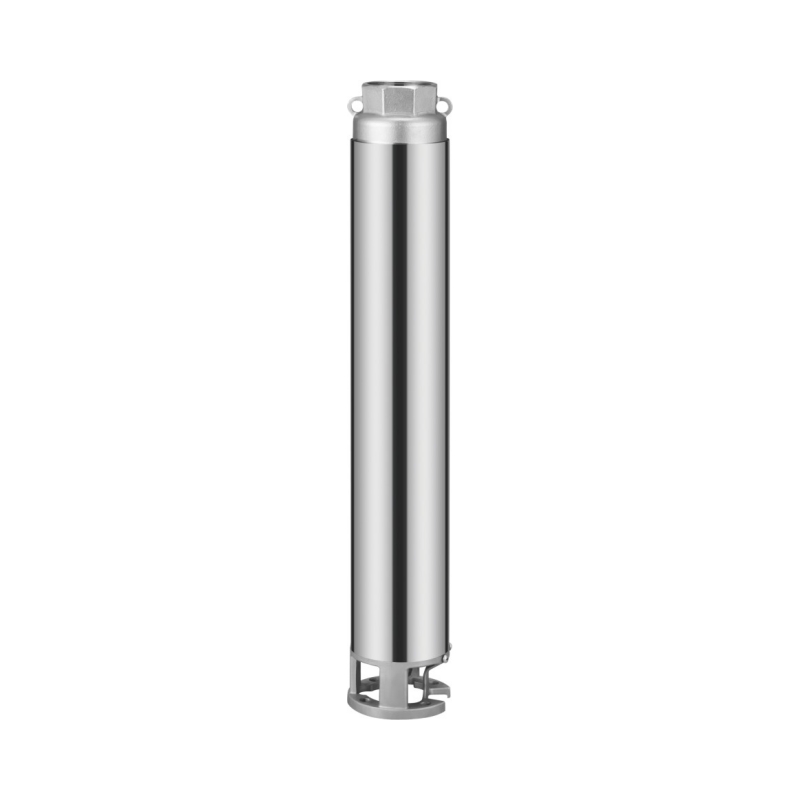
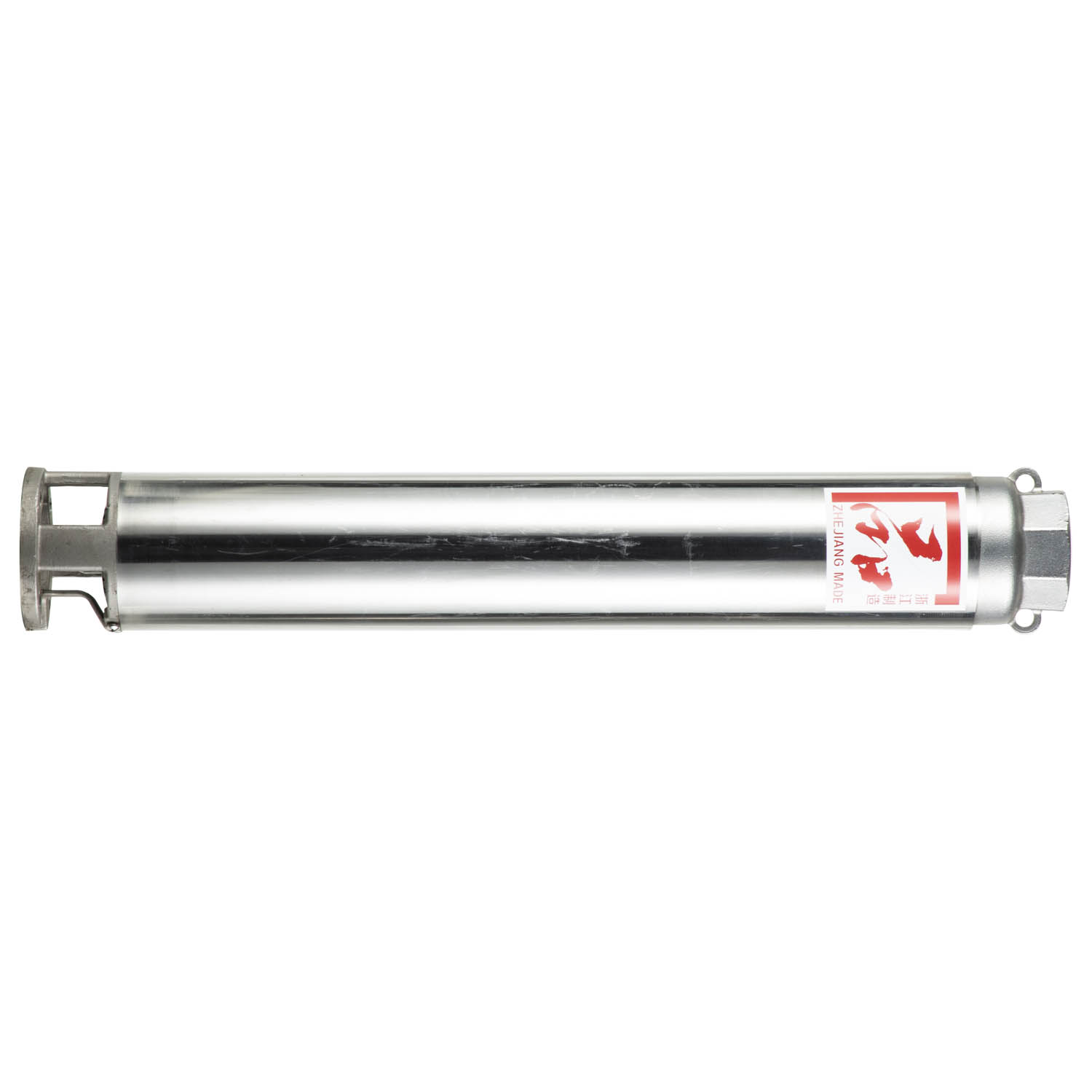
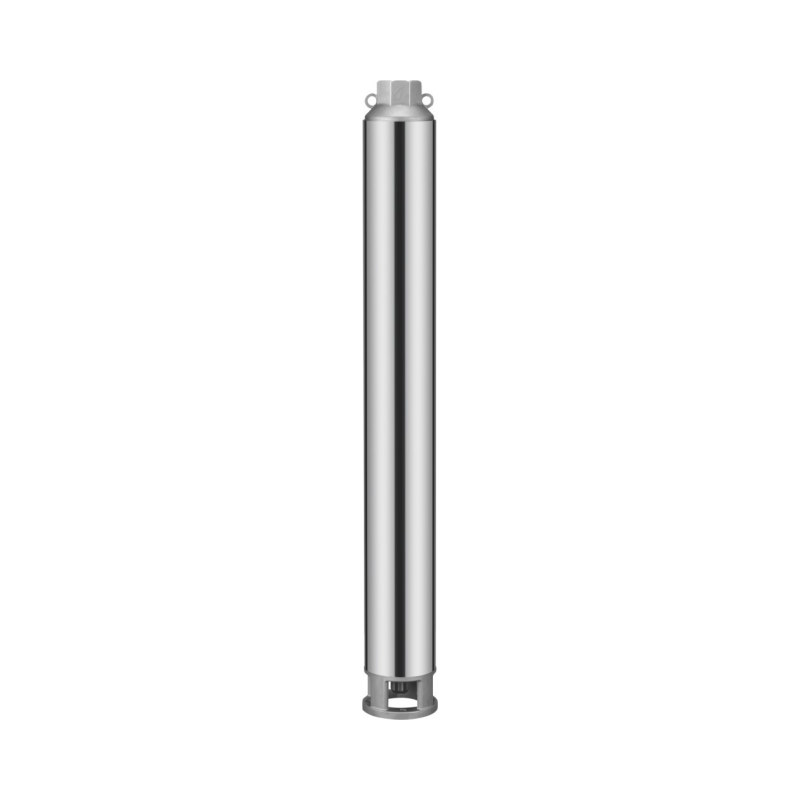
Deehp's product range follows this same architecture: our encapsulated submersible motors drive the SP and QP stainless steel series and the 4ST plastic-impeller series, covering applications from domestic wells to municipal water projects.
Encapsulated Motor Applications
Because they thrive where conventional motors struggle, encapsulated motors appear across a wide range of sectors:
Encapsulated Motor vs. Standard Motor: Key Differences
| Comparison Point | Encapsulated Motor | Standard Varnished Motor |
|---|---|---|
| Winding protection | Solid epoxy resin shell | Thin varnish coating |
| Moisture resistance | Withstands submersion and condensation | Limited; fails under persistent moisture |
| Heat dissipation | High thermal conductivity resin | Relies on airflow and housing |
| Maintenance | Minimal, sealed construction | Regular inspection and cleaning |
| Service life | Longer under harsh conditions | Shorter in wet/dusty environments |
Selecting the Right Encapsulated Motor
Deehp Encapsulated Motors: Built for Deep Wells, Made for Reliable Water Lifting
At Deehp, we combine encapsulated motor technology with precision manufacturing to deliver pumping systems that last. All core pump shafts and motor casings are precision CNC machined for tight assembly and steady running, and an integrated anti-corrosion metal structure enables long-term, trouble-free deep water operation. From single-family wells to large agricultural irrigation projects, our encapsulated motors pair with SP, QP, and 4ST series pumps to deliver dependable water supply across agricultural irrigation, industrial water, municipal engineering, aquaculture, landscape, and solar-powered water supply scenarios.
Explore the full range of sealed drive solutions on our dedicated product page: Deehp Submersible Encapsulated Motor (https://www.deehp.com/submersible-encapsulated-motor/ ).
Actionable Insights for Buyers
Frequently Asked Questions
1. What is the difference between an encapsulated motor and a normal motor?
Answer: An encapsulated motor has its stator windings completely coated with epoxy resin, whereas a normal motor uses only a thin varnish. Encapsulation provides far stronger protection against moisture, dust, and corrosion.
2. Can an encapsulated motor run underwater?
Answer: Yes. In submersible configurations, an encapsulated stator is combined with a hermetically sealed casing, water-lubricated bearings, and a pressure-compensating diaphragm, allowing the motor to run safely while fully submerged at depth.
3. Are encapsulated motors more expensive?
Answer: They carry a higher upfront cost than varnished motors, but lower maintenance and longer service life usually deliver a lower total cost of ownership in harsh environments.
4. What sizes are available?
Answer: Common NEMA-standard sizes are 4", 6", and 8" diameters, in single-phase and three-phase configurations and in both 50 Hz and 60 Hz ratings.
5. Which industries use encapsulated motors most?
Answer: Water wells, agricultural irrigation, industrial water supply, municipal engineering, aquaculture, solar pumping, and marine applications are the heaviest users.
6. How long does an encapsulated motor last?
Answer: With correct installation and protection, encapsulated submersible motors typically operate for many years of continuous duty; annual insulation checks help maximize lifespan.